
Water softeners and filtration · La Mesa, CA
Water Softener Installation in La Mesa, CA: Do You Need One, and Which Kind?
White crust on faucets, spots on glassware and a water heater that rumbles are the usual signs of hard water. In La Mesa the water is hard enough to notice. A softener is one answer, a filter is another, and some households need neither.
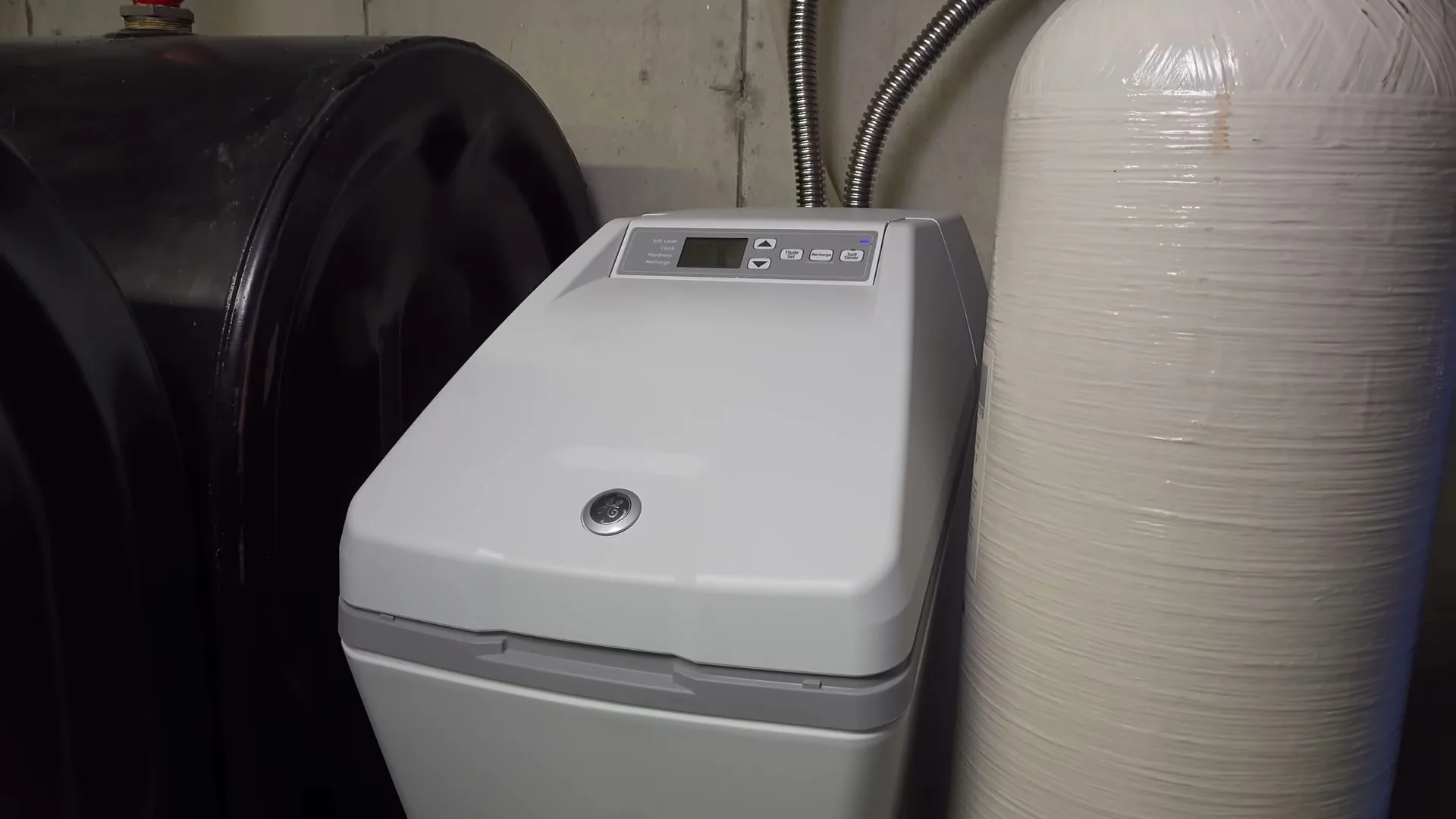
How hard is the water you actually get?
Helix, the district that supplies La Mesa, reports treated-water hardness between 9.1 and 14.6 grains per gallon, averaging 12.0. That range explains the scale many households see. It does not tell you what comes out of your tap, because blending and distribution change things.
Start with a test at your own tap. Ask the plumber to measure hardness on site, or use a home test kit as a rough check. Then ask what the number means for your situation, instead of buying a unit sized by guesswork.
If you have questions about the water Helix delivers, the district lists a customer service line at (619) 466-0585. Use it for supply questions, and bring your own measurements to a plumber for anything that happens after the meter.
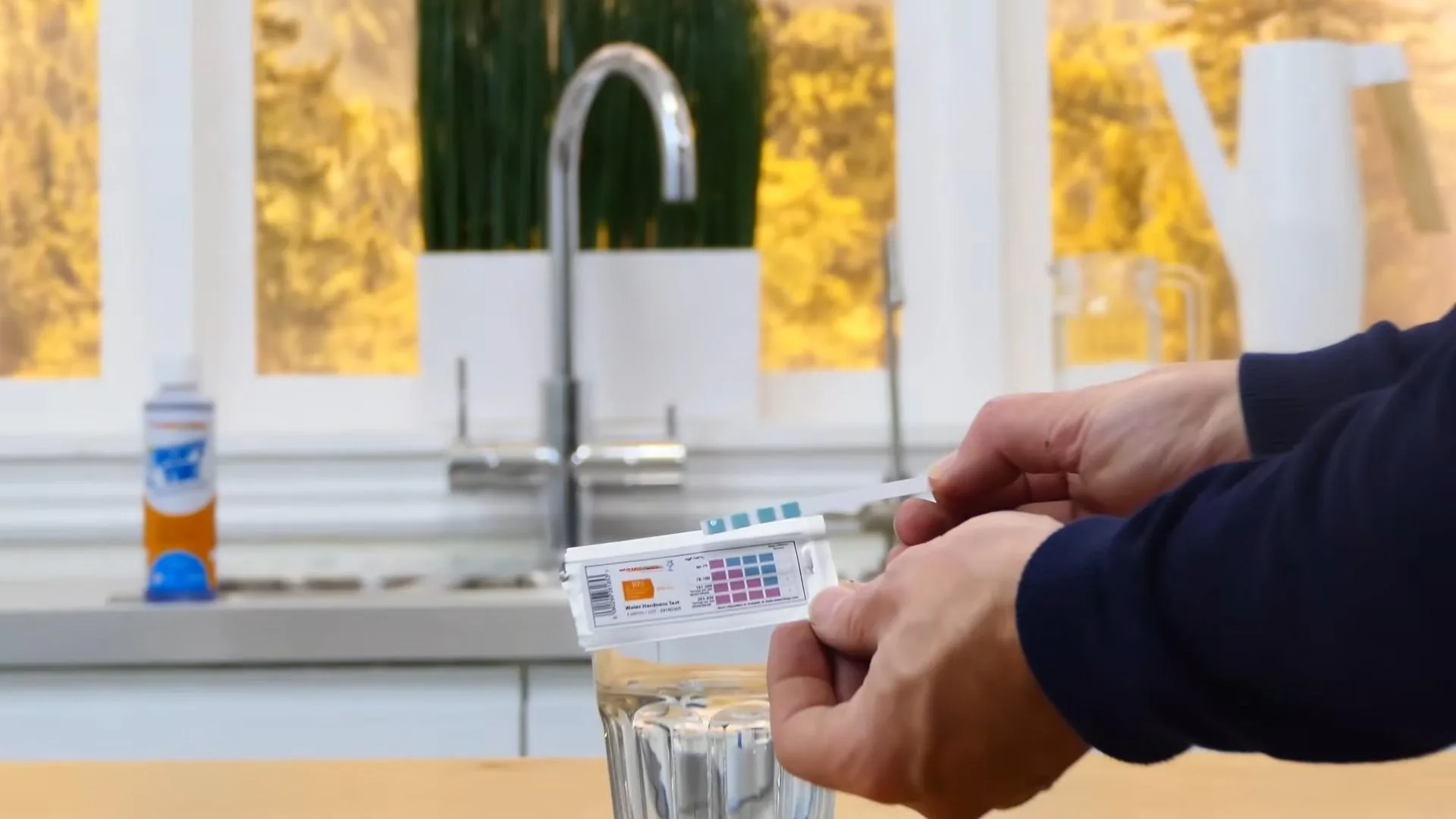
Softener, filter or both?
These two products solve different problems, and homeowners often confuse them. Working out which problem you have comes first, because it decides what you buy.
| System | What it does | What it does not do |
|---|---|---|
| Water softener | Removes hardness minerals to prevent scale | Does not filter taste, odor or particles |
| Whole-home filter | Reduces chlorine taste, sediment or other targeted contaminants | Does not soften the water on its own |
| Both together | Handles scale and taste or sediment | Costs more and takes more space and care |
Some households add a small drinking-water filter at the kitchen tap and leave the rest alone. Ask what problem you want solved and what the plumber would install for that specific problem. The page on scale inside the heater shows what hard water does after it is heated.
Where it goes and where it drains
A softener is a small installation project, not just a box that plugs in. It sits on the main water line, usually near where the supply enters the house, so the plumber needs room, access and a drain.
- Pick the location. Common spots are a garage wall or a utility closet. Make sure the space is dry and reachable.
- Tie into the water line. The plumber adds shutoff and bypass valves so the house keeps water if the unit is serviced.
- Run a drain. Regeneration water must go to an approved drain. Ask exactly where and how.
- Add power. Most units need an outlet for the controller. Ask who handles any electrical work.
- Program and test. The hardness setting is entered, and the system is checked for leaks and flow.
Ask whether outdoor spigots stay on hard water, since many homeowners prefer not to soften water that goes to a lawn.
Thinking about a softener or a filter? Call and tell us what you notice at the tap.
Call (833) 571-0120Are there rules about new softeners?
Salt from softeners ends up in wastewater, and some California communities have limited new installations for that reason. A legislative analysis describes the state rule. Local agencies generally cannot restrict softeners already in place, and they can limit new ones only after meeting conditions.
No rule specific to La Mesa was found while preparing this page, so nothing here says one exists or does not. Ask the plumber whether anything applies at your address, and ask the City to confirm before you buy a unit that depends on a drain connection.
The analysis cited here dates from 2009 and summarizes the law as it stood then. Treat it as a reason to ask, and not as a current ruling.
Ongoing care: salt, settings and repairs
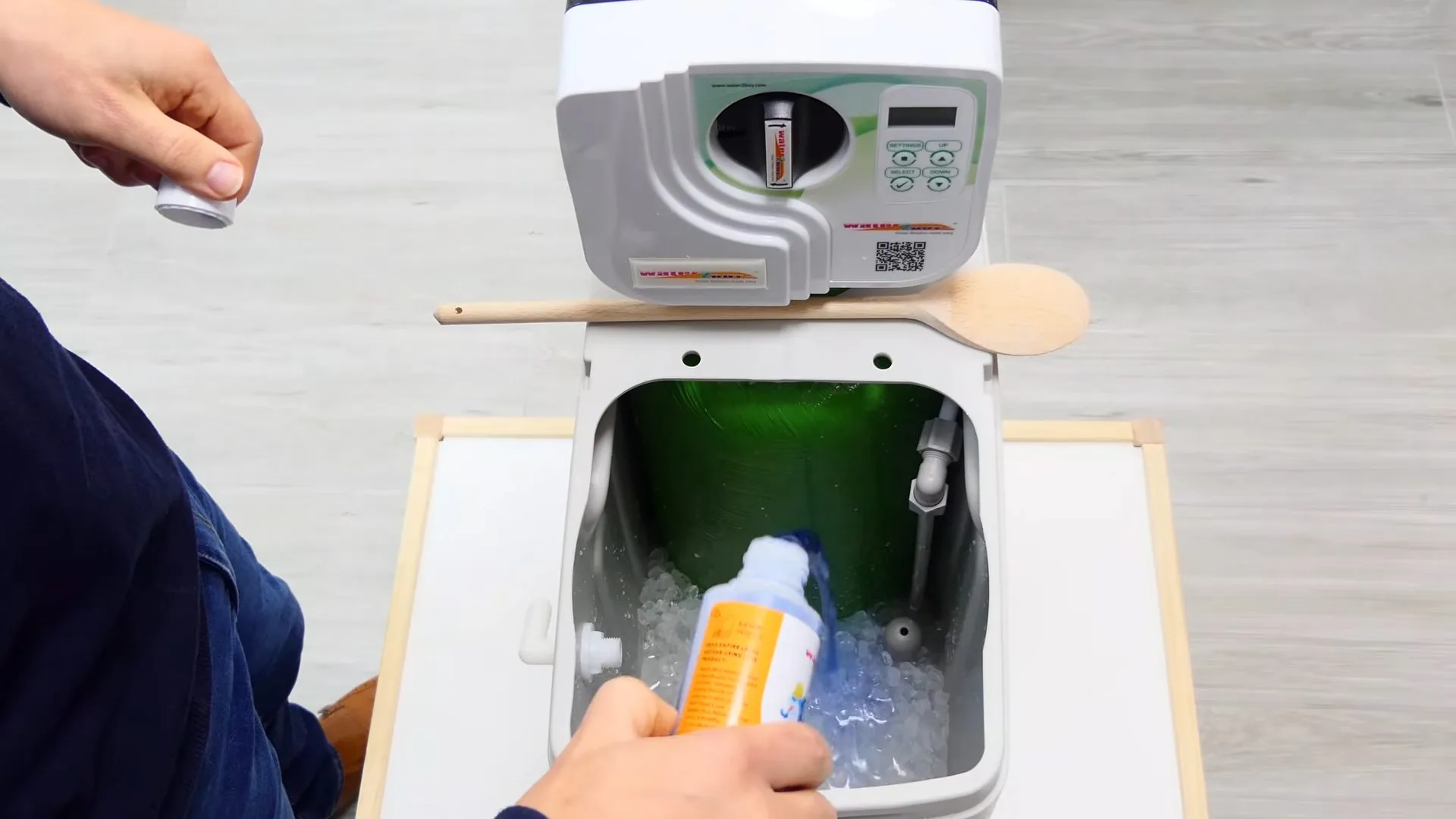
A softener asks for a little attention. Salt-based models need salt added from time to time, and the controller needs the right hardness setting. A unit that is ignored for years can stop doing its job without any obvious sign.
- Salt level. Check the tank now and then, and break up any hard crust if the salt has formed a bridge.
- Hardness setting. Revisit it if your water test changes or the unit seems to run out too soon.
- Soft water at the tap. A slick feel and no scale on glassware are good signs. Hard spots mean something is off.
- Leaks. Watch the valve, the drain line and the base of the tank.
When something goes wrong, the plumber should say whether the cause is the controller, the resin, the valve or the drain. Ask for that diagnosis plainly, and ask what repair versus replacement would involve.
Questions to ask before you buy
Softener sales can be pushy, and the cost depends on size and features. A short list of questions keeps the conversation focused on your house instead of on a package.
- What is the hardness at my tap, and what number are you sizing for?
- Do I need a softener, a filter or both, and why?
- Where will it drain, and is that connection allowed here?
- What does regular care involve, and what does it cost over time?
- What does the warranty cover, and who does the repair?
Compare more than one bid, and read what shapes treatment pricing to see which items move a quote. If you are also weighing a bigger project, such as replacing worn supply lines, ask whether the two jobs can be planned together.
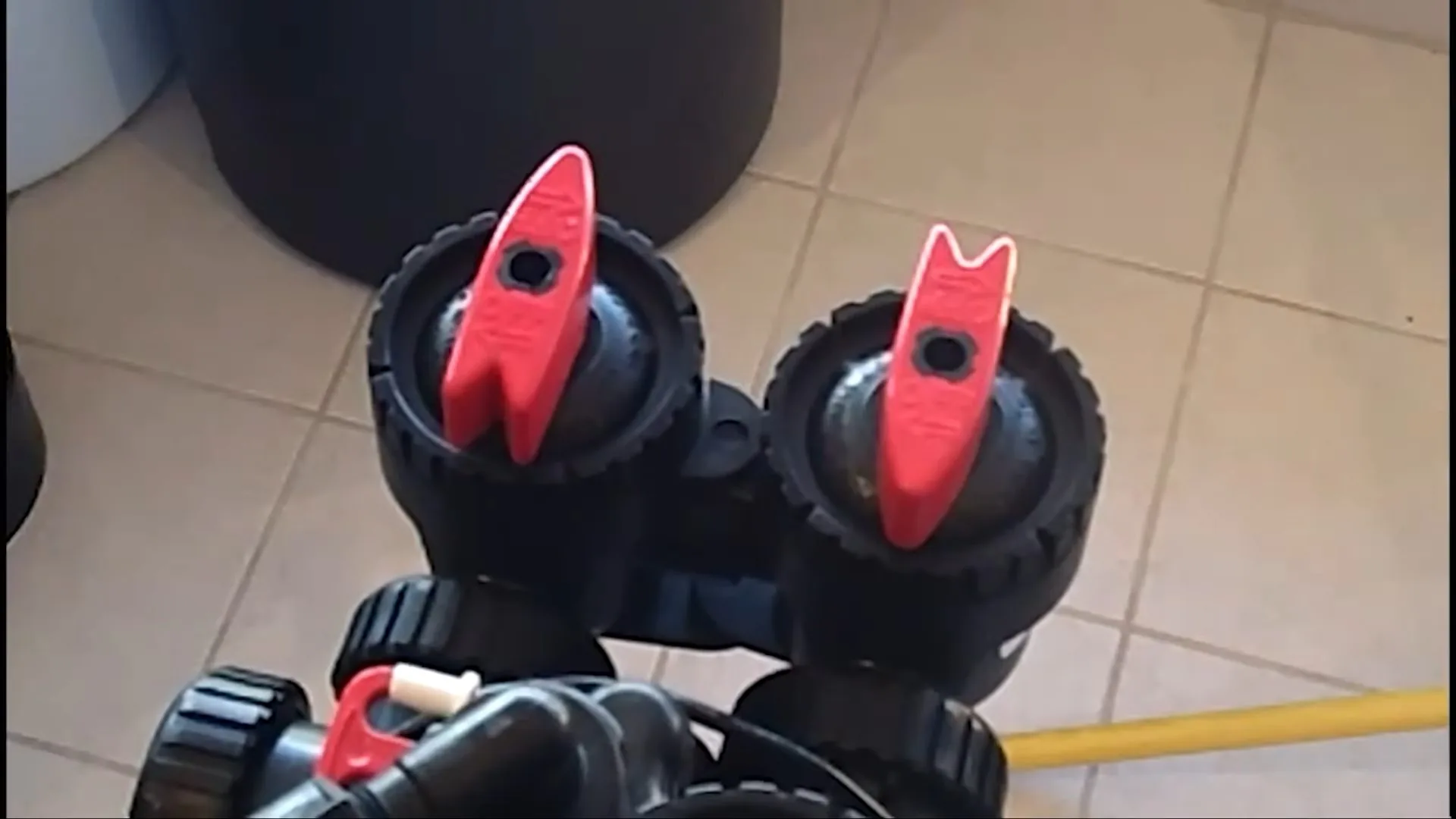
Hard water and softener questions, answered
These are the questions that come up most often when a household looks into softening.
Is La Mesa water hard?
Yes. Helix reports treated-water hardness from 9.1 to 14.6 grains per gallon, with an average of 12.0. That level leaves visible scale on fixtures and inside water heaters. A test at your own tap is the best way to confirm what your house actually receives.
What is the difference between a softener and a filter?
A softener swaps hardness minerals for salt or potassium to prevent scale. A filter removes things such as chlorine taste or particles and does not soften water on its own. Ask the plumber which problem you are trying to solve before choosing.
Are water softeners restricted in California?
Some places limit them, but state law generally keeps local agencies from restricting units already installed and sets conditions on new limits, according to a legislative analysis. No La Mesa rule was found for this page. Ask the plumber and the City before buying.
Where does a softener drain?
It sends its regeneration water to a drain, so the installer needs a legal place to connect it. Ask where the plumber proposes to run the drain line and how the connection will be made.
Do you repair softeners installed by someone else?
Yes. Tell us the brand, the symptom and any error codes. Common problems include the unit not regenerating, salt bridging and leaks at the valve or drain line, and the plumber should explain which one you have.
Ready to tackle hard water? Call La Mesa CA Expert Plumbers
Tell us what you see at the tap and what you want to fix. We will help you decide between a softener, a filter or neither.