
FAQs · La Mesa, CA
La Mesa Plumbing FAQs: Straight Answers on Emergencies, Licenses and Hot Water
These are the questions that come up most on calls from La Mesa homes. Each answer starts with the short version, and the pages linked in each group go deeper when you need them.
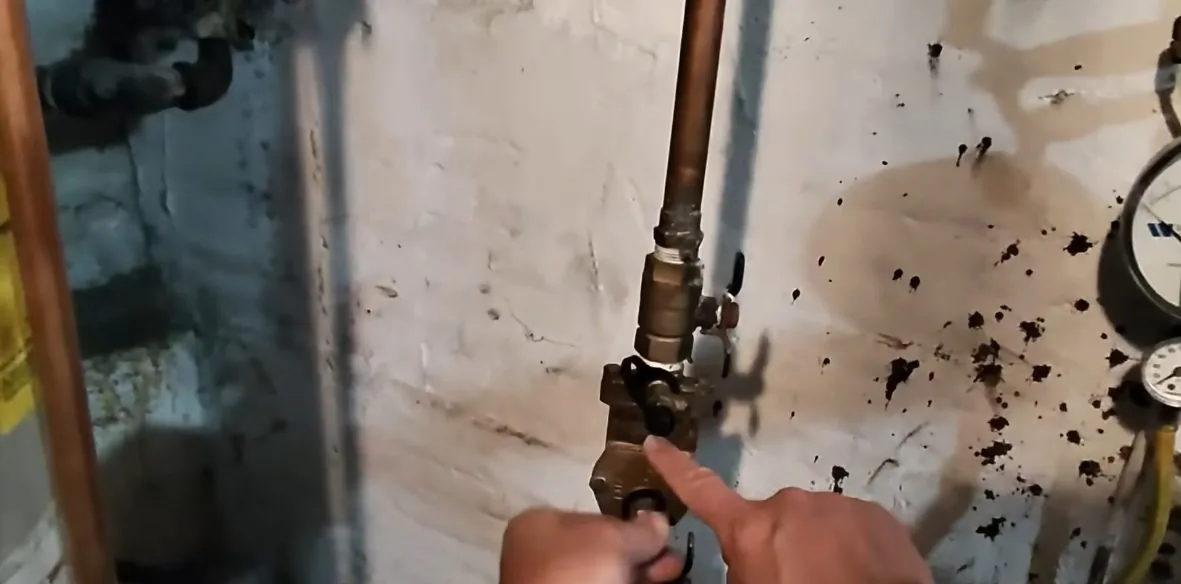
Plumbing emergency FAQs: what to do before anyone arrives
Most urgent calls start with water, a smell or a backed-up drain. The answers here cover what to do before anyone arrives, and after a pipe lets go picks up where they stop.
What should I do in the first few minutes of a plumbing emergency?
Close the main shutoff, then open the lowest faucet in the house to relieve pressure. Keep everyone out of standing water near outlets and photograph the damage before any cleanup. After that, call and describe what you see. A gas smell is the one exception, and it has its own answer below.
How do I tell an emergency from a problem that can wait?
Water that will not stop, sewage rising in a drain and a wet ceiling are urgent. A drip that stops when you close the fixture's own valve, or a single slow drain, can usually wait for a scheduled visit. Call if you are unsure, because the right answer depends on what you can see and hear.
I smell gas. Is that a plumber's job?
No. Get everyone outside and call SDG&E at 1-800-411-7343 or 911 from there. Do not flip switches, light flames or use anything that could spark. A plumber can look at gas-connected appliances only after the utility has cleared the building.
How do I use the water meter to look for a hidden leak?
Turn off every fixture and appliance that uses water, then watch the meter's small leak indicator for a few minutes. Any movement means water is going somewhere. Next, close the main valve and read the meter again. A dial that now stands still puts the loss inside your home, while a dial that keeps turning points to the pipe between the meter and the house.
Can heavy rain cause drain and sewer trouble in La Mesa?
La Mesa has a dry climate, and most of its rain falls between November and March. Heavy storms can overload yard drains and downspouts, raise the water table and push more water into municipal sewers, and saturated soil can stress an old lateral. Keep storm cleanouts clear, and ask a plumber whether a backwater valve on the sewer line suits your lot, since it can help stop sewage flowing back into the house. A slow indoor drain in a dry month is rarely a rain problem, so get the line looked at on camera before blaming the weather.
Leaks, drains and everyday fixtures
Hidden water and stubborn clogs cause the most uncertainty. For a deeper look, read about leaks under a concrete floor, jetting a grease-coated line and a toilet that keeps running.
What are the signs of a slab leak?
This applies only if your home sits on a concrete slab. Common signs are a warm spot on tile or flooring, the sound of running water with everything off, a meter that keeps moving, a bill that climbs for no clear reason and hairline cracks in baseboards or the slab. Acoustic leak detection is how a plumber pinpoints the exact pipe without guessing. A house on a raised foundation shows different signs, so say which kind you have when you call.
How often should drains be cleaned or jetted?
Many plumbers suggest a preventive cleaning about every 18 to 24 months for a single-family home, but the right schedule depends on the pipe and what runs through it. A line with mature tree roots or heavy kitchen grease may need jetting about once a year to stay clear and avoid a sewer backup. A line that backs up repeatedly or drains slowly in several rooms deserves a camera look first. A line that runs clear needs nothing.
Why does my toilet run on its own?
This is sometimes called phantom flushing. The usual cause is a worn flapper or a misaligned fill valve inside the tank, which lets water seep into the bowl until the tank refills. A few drops of food coloring in the tank will show whether the bowl changes color without a flush. Replacing the flapper and valve seal typically stops the waste, and it is a small repair, not a new toilet.
When is trenchless pipe lining better than digging?
Lining suits a sewer pipe with cracks, root intrusion or corrosion that has not collapsed. An epoxy liner goes in through an existing cleanout, which spares the driveway, landscaping and patio from trenching. A pipe that has collapsed or sags, or one with a bad connection, often still needs an excavation. A camera recording settles which case you have.
Have a question that is not here? Call and ask, and the dispatcher will point you to the right next step.
Call (833) 571-0120Water heaters, hard water and bracing
Helix water is hard, and that shapes most heater questions. Longer guides cover diagnosing a failing tank, swapping in a new heater and treating scale at the tap.
How long does a water heater last?
Tank heaters commonly last about 8 to 12 years, and tankless units often run 18 to 25 years with yearly descaling, but condition tells you more than age. Rumbling noises or rust in the hot water usually point toward replacement, not repair. Helix reports treated water between about 9.1 and 14.6 grains per gallon, which is hard, and scale builds up inside a tank and shortens its working life. Ask the plumber to check for sediment, the anode rod and rust at the base before choosing between repair and replacement.
Is a leaking water heater a repair or a replacement?
Start by finding where the water appears. A drip at a pipe fitting, a relief valve or a drain valve can often be fixed in place. Water coming from the tank's shell means the steel has corroded through, and replacing the heater is the realistic answer.
How hard is La Mesa water, and what does it do to a heater?
Helix reports plant water between 155 and 250 mg/L, about 9.1 to 14.6 grains per gallon, with an average near 12.0. Water Helix buys from other suppliers is softer and varies by delivery. Harder water leaves more scale on heating elements and burners, so heaters need flushing and fixtures need cleaning more often.
Does a water heater need earthquake bracing?
Yes. California Health and Safety Code section 19211 requires residential water heaters to be strapped or braced against earthquake movement. It is a state rule, not a La Mesa ordinance. Ask the plumber to confirm the straps are in place before the job is finished.
Do I need a permit to replace a water heater in La Mesa?
Many California cities require a permit and an inspection for a water heater replacement, and the inspection typically checks the relief valve discharge, the gas venting and the earthquake strapping. We have not confirmed the City of La Mesa's rule for a like-for-like swap. Ask the plumber whether the job is permitted and who pulls the permit. If the address is in an unincorporated area such as Casa de Oro-Mount Helix, a County office applies instead of City Hall.
Do I need a water softener in La Mesa?
Test the tap before deciding. Helix treated water is hard and purchased water is softer, so the number at your house depends on which supply reaches it. A softener is sized from that measured number and the size of the household, not from a guess.
Licenses, handypeople and commercial calls
California sets clear rules about who may do which plumbing work. For commercial and multi-unit questions, leaks in larger buildings explains how the work differs.
How do I check a plumber's license before work starts?
Ask for the contractor license number and classification. Plumbing falls under C-36 at the Contractors State License Board. Look the number up on the board's website, confirm the license is active and make sure the name matches whoever shows up at your door.
Can a handyperson without a contractor license replace a water heater?
California lets unlicensed people take very small jobs under a dollar limit that the Contractors State License Board sets, and that limit rose in 2025. It does not cover work that needs a permit. When a permit is involved, expect a license number on the paperwork, not just a price.
Do you handle commercial plumbing?
Our focus is residential plumbing in La Mesa and the towns around it. Small shops and multi-unit buildings do call about leaks and drains, and those calls are taken one at a time. Describe the building when you call, and the dispatcher will say what is possible.
ZIP codes, boundaries and what happens on a call
Addresses in East County do not always sit where the mailing name suggests. The places and ZIPs we cover page shows every town with its own guide, and the Mt. Helix neighborhood explains the City and County split on the hill.
Which ZIP code is my La Mesa address in?
Most La Mesa homes use 91941 or 91942. ZIP 91943 is a point ZIP inside 91942 that serves Grossmont Center, and 91944 is a PO Box ZIP, so neither one covers homes. Your mail ZIP and your city limits do not always match, so confirm the place by address.
Is my Mt. Helix address in the City of La Mesa?
Not always. ZIP 91941 covers part of La Mesa and the unincorporated community of Casa de Oro-Mount Helix, so the ZIP alone does not settle it. A lookup of your street address on the Census geocoder shows which place it belongs to. We do not say which permit office applies, so confirm that with the City or the County.
Can someone come out today?
We cannot promise a time. Call, describe the problem and give your street address and ZIP code, and the dispatcher will tell you what is possible for that address. Closing the main shutoff while you wait limits the damage.
What happens when I call?
You reach one number and one voice. Tell the dispatcher what you see, then give your street address and ZIP code. The dispatcher confirms the address is in range and explains what happens next.
Call with your problem and ZIP code for next steps
Call, describe the problem and share your address with its ZIP code. We will say what to do first.