
Hydro jetting · La Mesa, CA
Hydro Jetting Services in La Mesa, CA: Clearing Grease, Scale and Roots From Drain Lines
Snaking opens a hole through a clog. It does not always clean the pipe, which is why the same drain slows down again a few months later. Hydro jetting scrubs the pipe wall with high-pressure water. It is the right call for some lines and the wrong one for others, and this page helps you tell which you have.
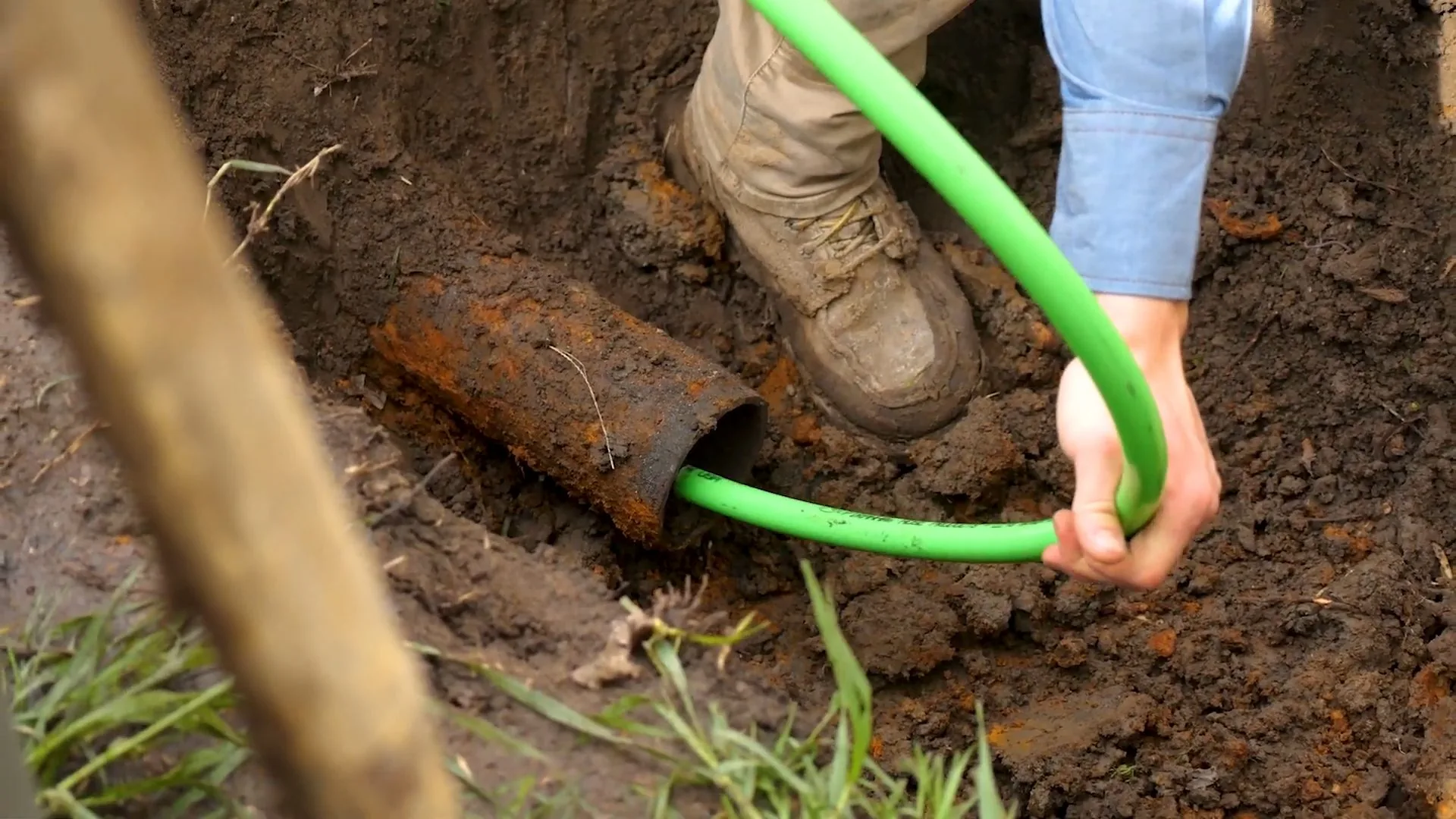
Snake or jet: what the blockage tells you
The choice starts with what is in the pipe. A cable punches through a soft clog and restores flow quickly. Jetting washes the full circumference of the pipe, so it is better when the problem is a coating instead of a plug. Your symptoms hint at which one you have.
Jetting is worth asking about when
- The same drain clogs again within weeks of being cleared
- A kitchen line has repeated grease blockages
- A camera shows a heavy coating on the pipe wall
- Roots are in the line but the pipe itself is sound
A cable is usually enough when
- A single fixture clogged once for an obvious reason
- The blockage is soft and close to the fixture
- The line is clean on camera apart from the plug
- The pipe is old or damaged and should not be pressurized
The line between the two is a judgment call, and it should rest on a camera view. If a plumber recommends jetting without looking inside the pipe first, ask what they are basing it on. The cable and camera options are covered under professional drain cleaning.
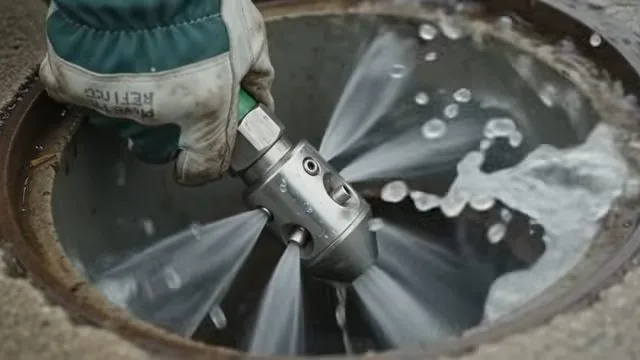
What the water actually removes from a pipe wall
Jetting is not magic. It removes soft and semi-soft deposits from the inside of the pipe, and it works poorly on anything that is part of the pipe itself. Knowing the difference keeps your expectations realistic before the work begins.
- Grease. Kitchen lines collect cooled fat that coats the wall and narrows the opening. Jetting strips it away along the whole length it reaches.
- Soap film and mineral residue. La Mesa's Helix water is hard, averaging about 12 grains per gallon, and hard water reacts with soap to leave a film. Jetting removes much of that coating.
- Silt, paper and debris. Packed material along the pipe floor is flushed downstream.
- Small roots. Fine roots inside the pipe are cut and washed out, but roots entering through a joint tend to return.
What jetting does not do is repair a cracked, offset or collapsed pipe. If the camera shows damage, the answer is a repair, not more cleaning, and the page on repairing a damaged sewer line explains how that decision works.
Why a camera comes first, and again after
High-pressure water is useful because it is forceful, and that force is also its risk. In a damaged pipe, the stream can open a crack wider or push water out through a break into the soil around the line. A camera look before the work tells the plumber whether the pipe can take it.
A second look after the work proves it did something. Ask for before-and-after video, or at least stills from the same spot, so you can see the pipe wall cleaned and any defect that the cleaning revealed. If the plumber cannot show you, ask why.
The City of La Mesa charges for sewer collection and treatment. Ask the plumber to show you on camera where your private line ends and the city main begins before any work that reaches the main.
Wondering whether jetting fits your line? Describe the symptoms and we will help you decide.
Call (833) 571-0120Roots: when jetting buys time and when it only delays the repair
Roots go where there is water, and a slightly open joint in an old line is an invitation. Jetting cuts and flushes the roots that are inside the pipe, and the drain runs freely again. If the root entered through a gap, the gap is still there, and the roots grow back.
That timeline depends on the pipe. Much of La Mesa's housing dates from the building boom after 1940, so some lines are old enough that joints may have loosened over time. A camera view tells you whether the roots sit in a sound pipe or entered through a defect.
When a defect is the cause, ask about a lasting fix instead of repeat cleanings. Options include replacing the damaged section or lining the pipe, and trenchless relining can avoid digging up the yard. Ask the plumber to show you where the roots enter before you decide.
Getting ready for a jetting visit
A little preparation makes the visit smoother and keeps cost surprises down. The plumber needs access to the line, and you need to know what to expect.
- Locate the cleanout. Most jetting goes through a cleanout cap near the house. If you cannot find yours, say so when you call.
- Clear the area. Move planters, tools and anything that blocks the work area, and keep children and pets inside.
- Stop using water. Run nothing in the house while the plumber is working on the line.
- Ask about the plan. Ask where the water comes from, where the debris will go and how any mess will be handled.
- Keep the footage. Ask for the video and a short written note on what was found.
Ask for the range before work starts, as you would for any job. plumbing cost ranges explains what moves a job toward either end of a range.
How often is too often?
Jetting is not a subscription. A line that stays clear needs nothing. A line that clogs repeatedly should be jetted and then watched, and if the problem returns quickly, the question changes from how often to why.
If a line needs cleaning every few months, something is wrong with it. The cause may be a belly where water pools, an offset joint or a defect that catches debris. A repair costs more once but can stop the cycle. Ask your plumber to say plainly whether you are paying for maintenance or for a symptom, and to base the answer on what the camera showed.
For related questions, see answers to common plumbing questions, or ask us directly when you call.
Is jetting safe for my pipes? Common questions
These are the questions that come up before a jetting visit, from how often to schedule it to whether older pipe can take the pressure.
How often should a line be jetted?
There is no fixed schedule. A line that stays clear for years does not need it. A kitchen line with recurring grease clogs, or an older line with buildup that returns, can be put on a schedule based on what the camera showed. Ask the plumber why they chose the interval.
Is hydro jetting safe for old pipes?
Not always. High pressure can worsen a cracked, offset or thin-walled pipe. That is why a camera look comes first, and why a plumber should be willing to say no to jetting if the line looks fragile.
Will jetting fix tree roots for good?
It clears roots that are in the pipe, but roots that enter through a joint or crack usually return. If the camera shows roots entering at a defect, the lasting answer is a repair, not a repeat cleaning.
Does jetting use a lot of water?
It uses water, and the plumber should tell you how it is supplied and where it drains. Ask about this before the visit, and ask where the debris goes.
Ask La Mesa CA Expert Plumbers whether jetting fits your line
Describe which drains keep clogging and how long it has been going on. We will help you decide whether jetting makes sense.