
Burst and broken pipe repair · La Mesa, CA
Burst Pipe Repair in La Mesa, CA: Cracked, Split or Broken Lines Inside Your Walls
Water is spraying from a wall, coming through a ceiling or soaking a floor, and the first ten minutes decide how much damage follows. Shut the water off, make the area safe, then call. This page covers what to do in those minutes, how a broken pipe is repaired and what to ask so the fix lasts.
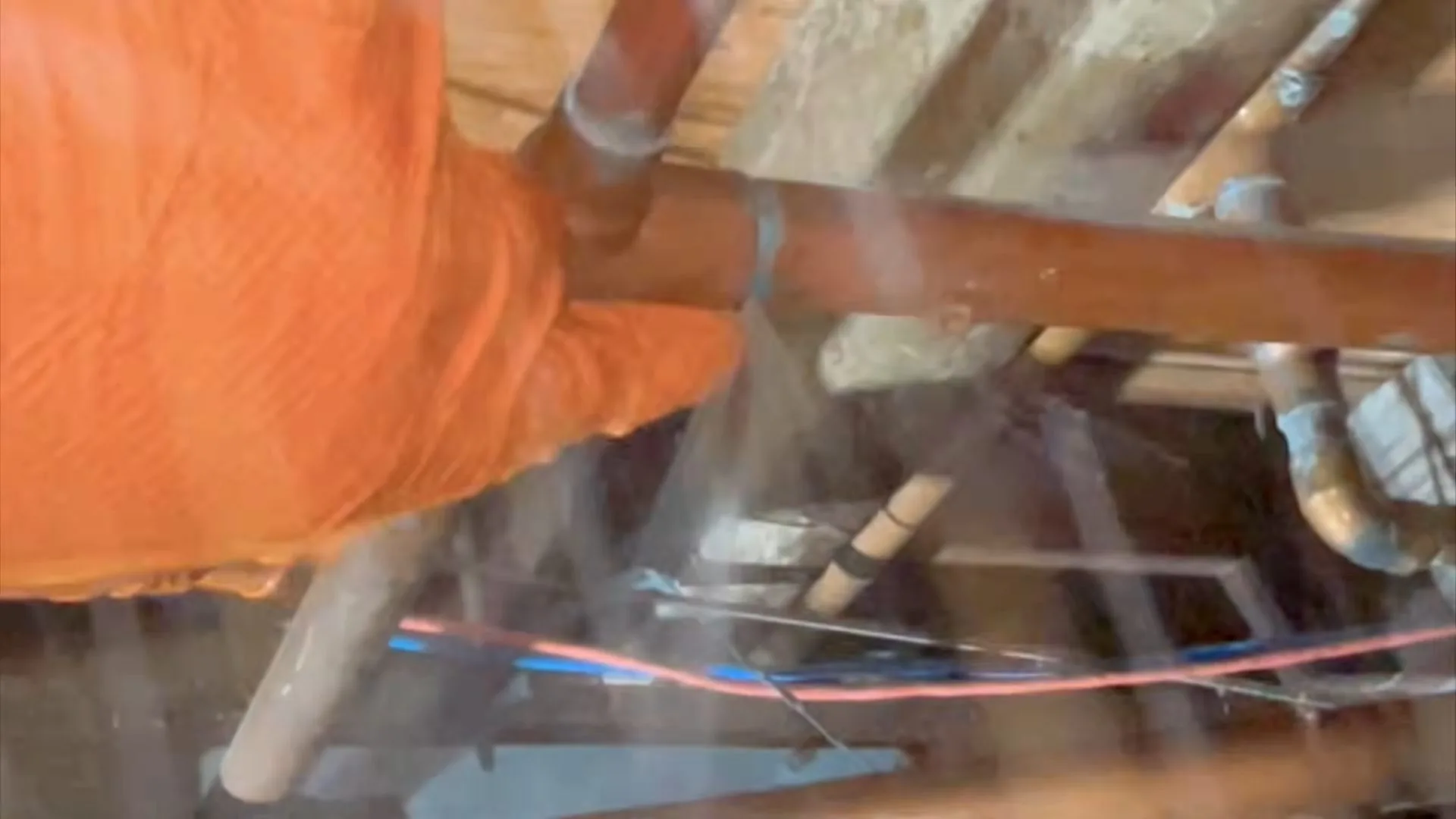
The first ten minutes after a pipe lets go
Helix Water District advises turning off the water at your own valve when a leak is flooding the home or yard. That is the right first move, and the rest of the list follows from it. Work through the steps in order.
- Close the main shutoff. Turn the valve clockwise until it stops. It is usually where the water line enters the house, often along a garage wall or near an outdoor hose bib.
- Open the lowest cold faucet. This lets the water remaining in the lines drain out, and it relieves pressure on the broken section.
- Protect the electrical side. If water is near outlets, a light fixture or the panel, stay out of the room. Switch off a breaker only if you can reach it without stepping through water, and call 911 if anyone could be in danger.
- Switch off an electric water heater. With the main closed, the tank is no longer being refilled, and the elements can be damaged if the tank drains while they are still powered. Turn the heater's breaker off first.
- Photograph before you clean. Take dated photos of the pipe, the water and the damage, then move belongings off wet flooring.
If the main shutoff will not close, do not force it with a wrench or a pipe, because a snapped stem can turn a leak into a flood. Tell us right away when you call. If the only valve that works is at the meter box, or water is surfacing outside, call Helix customer service at (619) 466-0585 and describe what you see. Replace a stiff valve once the emergency is over, and ask the plumber to show you which way it closes.
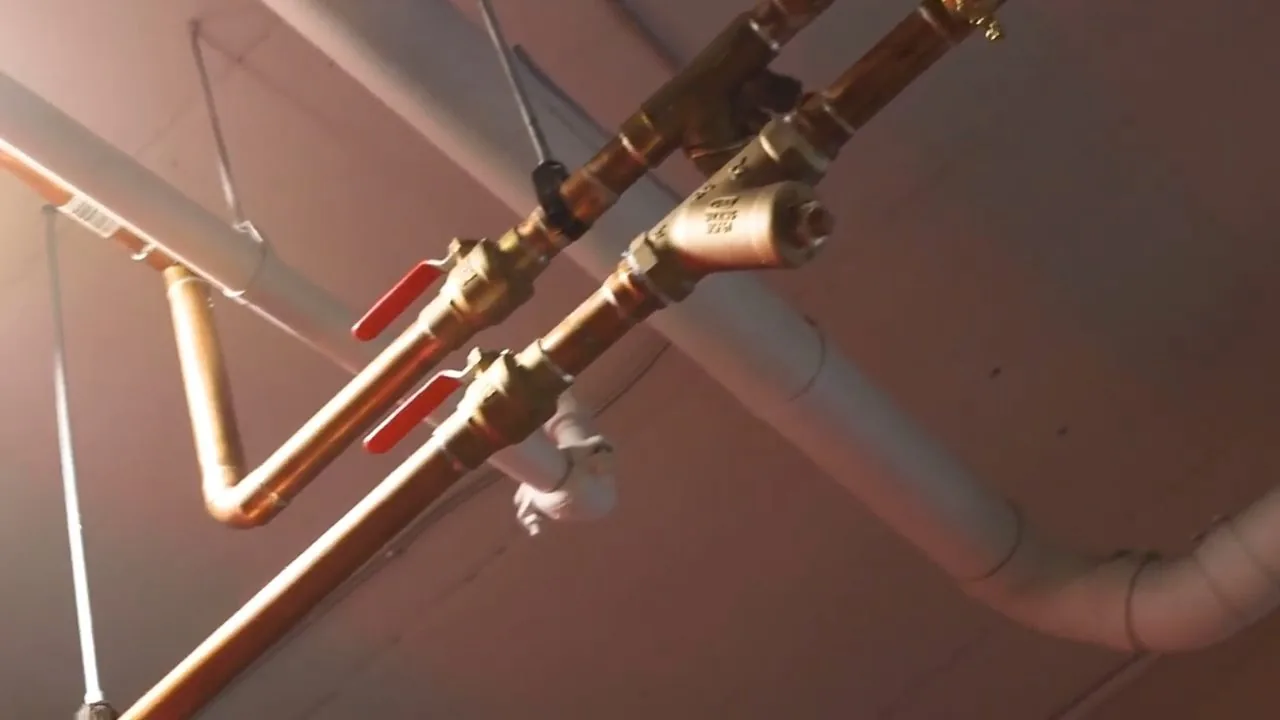
Water stopped, or still running? Call and tell us what you see so we can help you with the next step.
Call (833) 571-0120Is it a burst pipe, or something else?
Not every flood is a burst pipe, and the answer changes who you call and what you do next. This table sorts the common cases by what you can see.
| What you see | What it usually means | What to do |
|---|---|---|
| Water sprays or pours suddenly, and you can see the damaged pipe | A burst or split pipe, which this page covers | Close the main and call. |
| A stain spreads slowly across a ceiling or wall | A slow leak, not a burst | Read about finding a slow leak. |
| Water pools around the base of the water heater | A failing tank or a leaking connection | Shut off the heater's cold supply and see water heater repair. |
| Sewage or dirty water comes up through a floor drain or tub | A sewer blockage or backup, not a supply pipe | Stop using water and read about a backed-up sewer line. |
| A faucet or toilet supply line sprays or drips under a sink | A failed fixture connection | Close the small valve under the fixture first. It often stops the water. |
If you cannot tell, close the main and call. Describing what you see often narrows down the source in a few minutes on the phone, and you will have lost nothing by acting early.
Why pipes fail in a mild climate
Burst pipe pages in colder places lead with freezing. That is not the usual story in La Mesa, where winter highs average in the 60s and 70s, so a frozen line is rarely the explanation. A failed pipe here more often traces to something else, and the cause affects what repair makes sense.
- Corrosion and age. A pipe wall that has thinned over decades fails at its weakest point, and pinholes may appear elsewhere soon after.
- A damaged joint or fitting. Solder, glue or a compression fitting can fail on its own and leak at the connection instead of the pipe.
- Impact. A nail, a shovel or a landscaping project can crack a line, which is why 811 exists.
- Movement. San Diego County's hazard plan rates earthquake risk as medium and likely for La Mesa, and shaking can crack or pull apart a connection.
Ask the plumber to show you the failed section and name the cause. If the same kind of failure appears elsewhere, the answer may be replacing the supply lines instead of another patch.
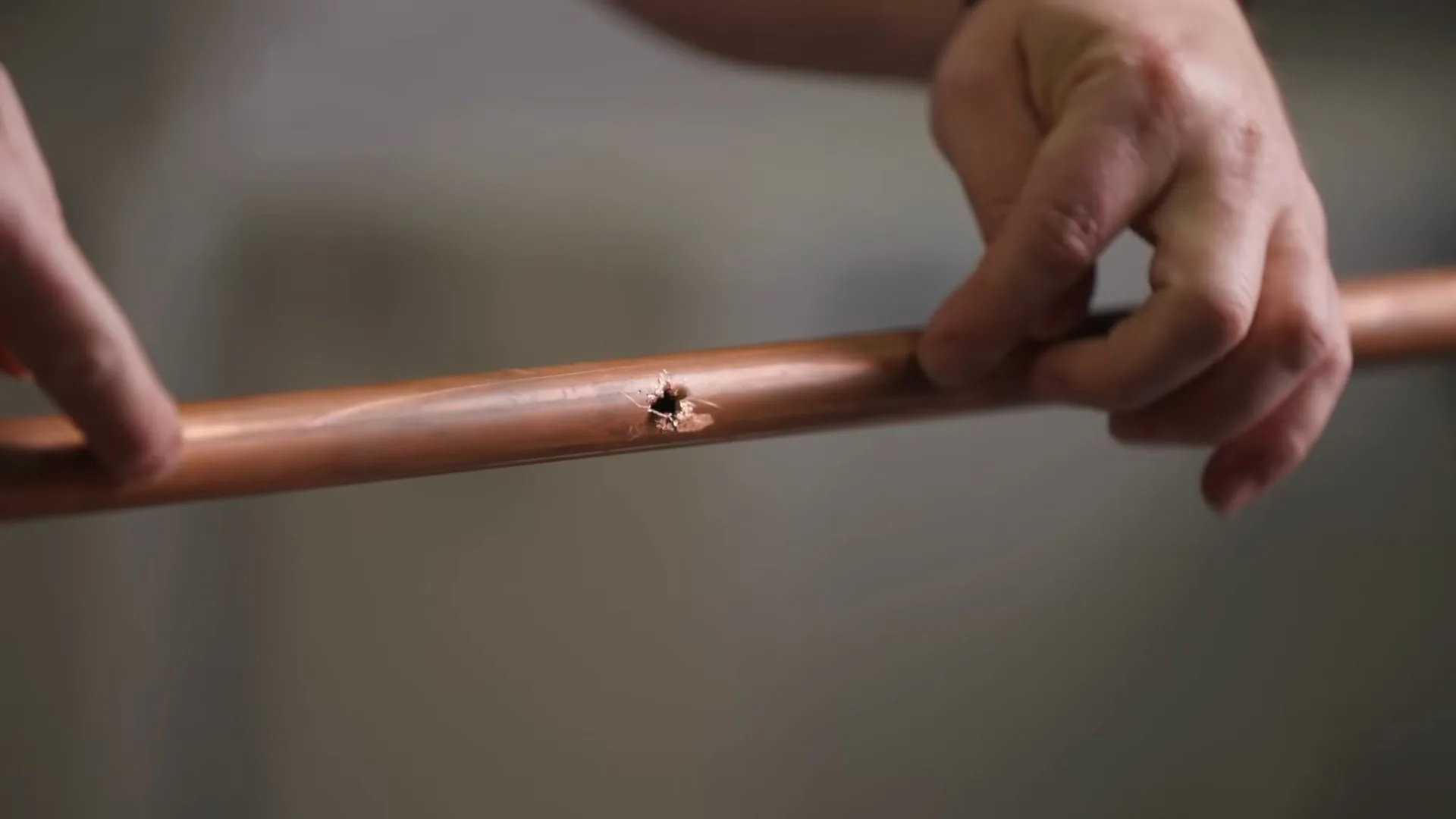
How a broken pipe is repaired: patch, replace a section or re-run the line
The repair follows the damage. A plumber will find the break, cut out the failed section, and join new pipe with the right fittings. Which approach fits depends on how much of the line is sound.
| Repair | Fits when | What to ask |
|---|---|---|
| Replace the failed section | The rest of the pipe is in good shape and the break is one clean failure | What material is used, and how the new section joins the old one |
| Replace the run to the next fitting | The pipe around the break is thin, scaled or corroded | How far the new pipe extends, and why that stopping point was chosen |
| Re-run the line | Several failures are close together or the pipe is not reachable | Whether the job turns into a larger pipe replacement and what that would involve |
If the broken line runs in the yard between the meter and the house, that is plumbing contractor work in California, and digging requires a call to 811 at least two working days ahead. Contractors are required to make that call, so ask your plumber to handle it and plan for the wait. For a temporary fix, ask how long it is expected to hold and when the permanent repair will happen.
Water is already in the walls: what comes after the repair
Stopping the water does not finish the job. Drywall, insulation and flooring that stayed wet need to be removed or dried, and wet material does not dry on its own inside a closed wall. The longer it stays wet, the more has to be removed, so this step deserves attention as soon as the pipe is fixed.
That work is separate from the plumbing repair. It is covered under water damage restoration, which is limited to removal and drying. Rebuilding drywall, paint and flooring afterward is a different trade, and a plumber can tell you what has to be opened but not what finishes to choose.
- Keep the evidence. Save dated photos, the failed pipe section if the plumber offers it, and the written repair notes.
- Call your insurer early. Many policies ask for prompt notice, and some require it before materials are discarded.
- Ask about the permit. Ask whether the repair needs one, who pulls it and which office issues it for your address.
- Ask about a license. California licenses plumbing contractors under C-36. Check the number on the Contractors State License Board site before work begins.
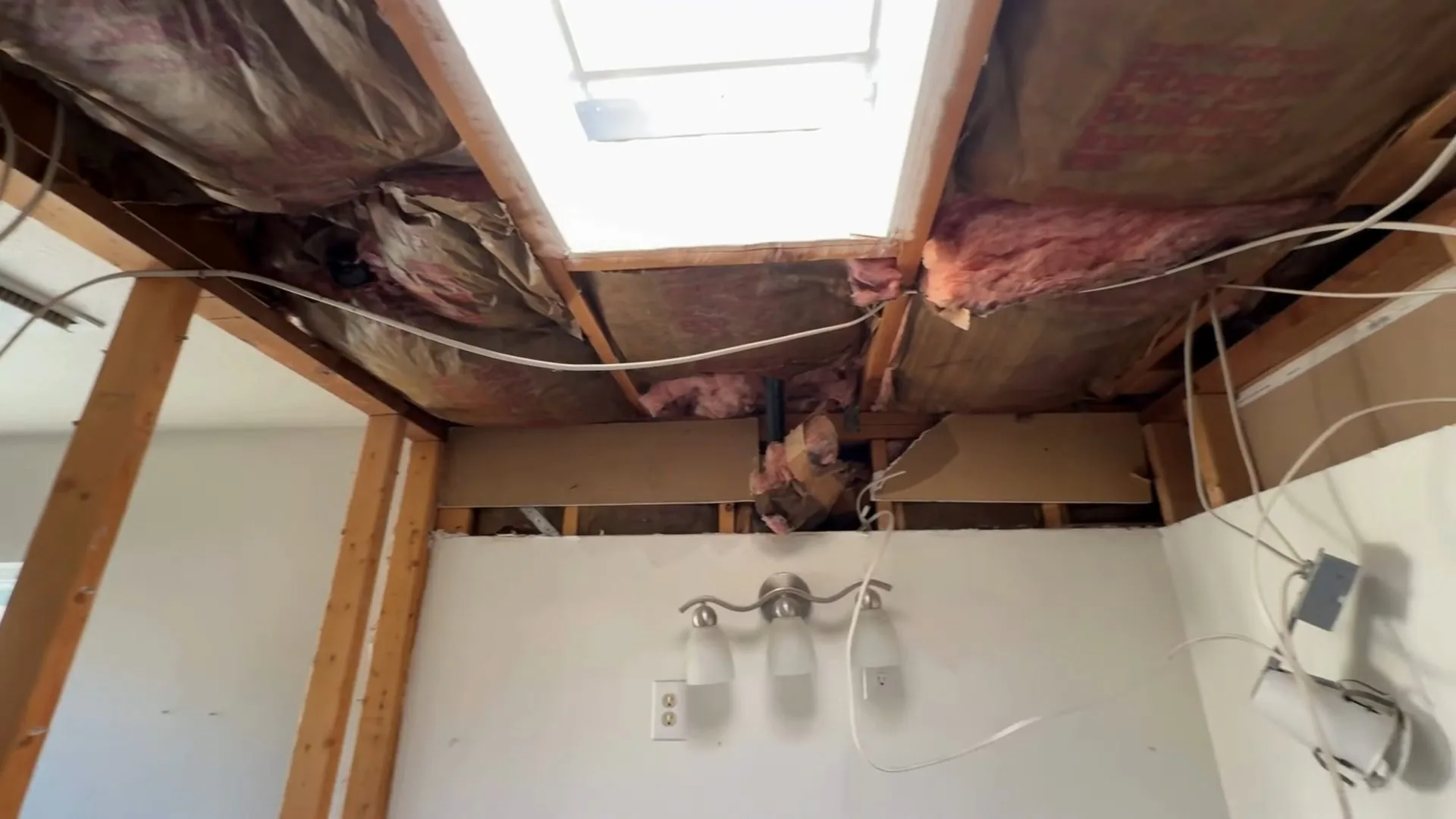
Burst pipes in commercial buildings
A burst pipe in a shop, office or multi-unit building follows the same first step, which is to close the right shutoff. The difference is that the right shutoff may serve only one zone, and the people who hold the keys may not be on site. Find out which valve controls the affected area before you call.
- Close the zone valve first, then the building main if the water keeps coming.
- Protect electrical rooms and stock. Move inventory and equipment off the floor and keep staff away from wet panels.
- Notify the owner or property manager. The lease decides who handles the repair and the damage to a tenant's space.
- Document for the insurer. Dated photos and the plumber's written findings help both the owner's and the tenant's claims.
Tell us the building type and where the water is when you call.
What people ask after a pipe bursts
These are the questions people ask once the water is off and the first rush is over, from insurance to why the pipe failed in the first place.
Is a burst pipe covered by my homeowners insurance?
That depends on your policy, and a plumber cannot answer it. Sudden pipe failures are often treated differently from long-running leaks, so photograph everything, keep the plumber's written findings and call your insurer before you throw away damaged materials.
Can I turn the water back on after a temporary fix?
Only after the plumber says the repair is complete and tested. Ask whether the fix is temporary or permanent, how long a temporary fix is expected to hold and what the plan is for the permanent repair.
Why would a pipe burst in a mild climate like La Mesa's?
Freezing is not the usual cause here. A pipe can fail from corrosion that thins the wall, a damaged joint, an impact from digging or construction, or movement after an earthquake. Ask the plumber to show you the failed section so you can see the cause.
Do you repair commercial burst pipes?
Yes. Commercial and multi-unit buildings add questions about zone shutoffs, access and who is responsible under the lease. Call and tell us the building type, how many zones or units it has and where the water is showing.
Water off? Now call La Mesa CA Expert Plumbers
Tell us what you see and where the water is coming from. We will help you with the next step while you wait.