
Whole-house repiping · La Mesa, CA
Repiping Services in La Mesa, CA: Is It Time to Replace Your Home's Supply Lines?
Pipes inside the walls do not last forever, and they rarely fail all at once. They leak in one place, get patched, then leak somewhere else. Repiping replaces the supply system instead of chasing each failure, and this page helps you decide whether your house has reached that point.
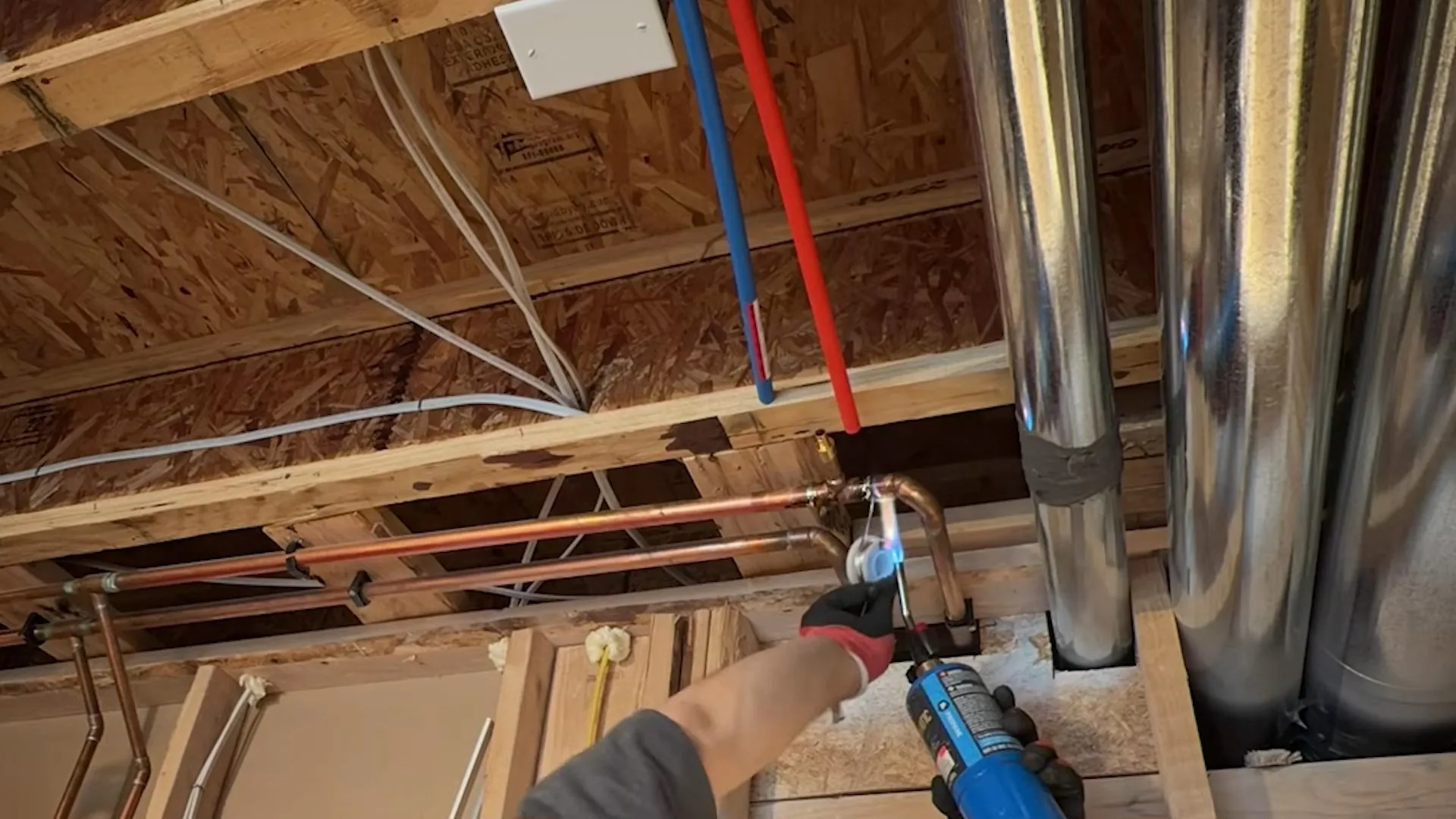
Signs the supply system is wearing out
A single leak does not mean the whole house needs new pipe. The pattern matters more than any one event. Look for signs that keep coming back, show up in different places, or affect the water itself.
| Sign | What it may mean | What to do first |
|---|---|---|
| Leaks in different places over time | Pipe is failing along its length, not at one spot | Keep a dated list and photos of each repair |
| Rust-colored or metallic-tasting water | Corrosion inside older steel or iron pipe | Run the cold tap and note whether the color clears |
| Falling water pressure at several fixtures | Mineral or corrosion buildup narrowing the pipe | Compare pressure at the outside spigot and indoor taps |
| Stains or bubbling paint on walls or ceilings | A slow leak behind the surface | Run the meter check before opening anything |
| Green crust or pinhole spray on copper | Corrosion has worn through the wall | Shut off the water to that line and call |
None of these proves a repipe is needed. They are reasons to ask for an inspection and a written opinion. The page on confirming a hidden leak explains how to confirm that water is escaping before you commit to anything larger.
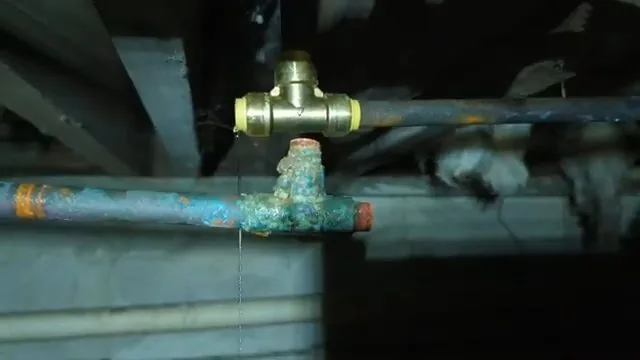
One bad pipe, or a failing system?
The deciding question is whether the problem is local or general. A plumber can often fix a single failed run and leave the rest alone. When the same kind of failure keeps appearing, repairs start to cost more over time than a replacement would.
A targeted repair usually makes sense when
- One leak has a clear cause, such as a bad fitting
- The rest of the pipe looks sound when exposed
- The house has had few earlier plumbing repairs
- Water pressure and color are normal everywhere else
A repipe is worth pricing when
- Leaks keep appearing in different parts of the house
- Exposed pipe shows widespread corrosion or pitting
- Water color or pressure has declined across fixtures
- Past repairs keep being followed by new failures
Ask the plumber to show you the cut-out section of a failed pipe, and ask what the inside looked like. A clear explanation of what is happening to your pipes is worth more than a sales pitch, and it is the best basis for a decision.
Choosing a replacement material
Plumbers use several materials for supply lines, and the right one depends on your water, your house and the local rules. Do not assume one choice is always correct. Ask what is proposed, why it suits your home, and who stands behind it.
- What is in the walls now? Older homes can have galvanized steel, copper or a mix. The plumber should identify yours before quoting.
- Is the new material approved here? Ask whether it is accepted for drinking water under the code the City applies.
- How does your water treat it? A trade article by a Southern California repiper says aggressive water pits copper and galvanized pipe. Helix water is hard, at 9.1 to 14.6 grains per gallon, so ask how scale and chemistry affect each option.
- What warranty comes with it? Ask for the manufacturer and installer terms in writing.
Ask for the reasoning behind the choice, not only the name of the pipe. The tradeoffs between materials are specific to each house, and a plumber who has opened your walls will know more than any general rule.
What a repipe looks like from your side
The details vary by house, but most jobs follow the same arc. Knowing it in advance helps you plan around the work and spot a quote that skips a stage.
- Inspect and plan. The plumber maps the existing runs, picks access points and lists what will be replaced.
- Protect the house. Floors and furniture are covered, and access holes are cut where the plan calls for them.
- Replace the lines. New supply pipe goes in to each fixture, and the old lines are capped or removed.
- Test. The system is pressurized and checked for leaks before anything is closed up.
- Restore. Openings are patched. Ask in advance whether paint and finish work are included.
Wondering whether your house needs a repipe? Call and describe what you have seen.
Call (833) 571-0120From the meter to the house: where the work starts
Your supply starts at the Helix meter, usually in a concrete box near the sidewalk or street. From there a line runs underground to the house, then branches inside. A repipe may cover only the inside, or it may also include that outdoor stretch.
The CSLB plumbing license classification, C-36, covers water and gas piping from the meter to the structure. Ask for the license number and look it up with the state. Then ask whether the quote includes the line from the meter, because some bids cover only the inside of the house.
You can narrow the problem with the Helix meter check. Close the main shutoff and watch the meter. If it keeps moving, water is escaping outside the house. If it stops, the loss is inside, which is where a repipe applies. sudden pipe failures covers failures that need immediate action.
Permits, paperwork and inspection
Replacing a house's supply pipes is large enough that many cities require a permit and an inspection. Whether La Mesa applies that to your job was not confirmed for this page. The safe move is to ask the City directly, then ask the plumber to put the answer in the quote.
- Ask who pulls the permit and whether its cost is in the quote.
- Ask when the inspection happens, and whether walls stay open until it is done.
- Ask for the final signed-off paperwork once the work ends.
- Keep copies with your records, since buyers and insurers may ask for them later.
A plumber who is vague about permits is worth a second look. Ask the same questions of every bidder and compare the answers side by side.
Planning around cost, slabs and your household
A repipe is one of the larger plumbing projects a household takes on, so plan it like one. Ask for a written scope that lists what is replaced, what is patched and what is left for you. what affects repiping quotes explains the factors behind price differences.
If your house sits on a slab, the work is different because lines may run below the floor. In that case, the choices between rerouting and replacement are laid out on the page about a leaking line under the slab. Ask whether the plumber proposes rerouting through walls or attic space.
Think about your household too. Ask when the water will be off, whether you can stay at home, and what happens to the schedule if the plumber finds something unexpected. Water that has already escaped into walls is a separate matter, covered under drying out wet walls.
Repiping questions homeowners ask first
These questions come up most often when a household weighs a repipe against another repair.
How do I know if I need a repipe and not just a repair?
One leak in an otherwise sound system is a repair. Repeated leaks in different places, discolored water, falling pressure and visible corrosion on exposed pipe point to a system that is wearing out. Ask the plumber to show you the failed sections and explain what they found.
Will repiping mean tearing open all my walls?
Not necessarily, but some drywall is usually opened. Plumbers often use access holes at fixtures, closets, the attic or the crawl space and patch afterward. Ask how many openings to expect and whether patching and paint are included or left to you.
How long will the water be off?
That depends on the size of the house and how the work is staged. Ask the plumber for a plan that shows when the water goes off, when it comes back and what you can use in between. Plan for showers and cooking around that schedule.
Does repiping need a permit?
Often yes, but the rule that applies in La Mesa was not confirmed here. Ask the City of La Mesa, then ask the plumber who pulls the permit and who arranges the inspection. Keep the paperwork for a future sale or an insurance question.
Is repiping covered by homeowners insurance?
Usually the pipe itself is not, though resulting water damage might be. Read your policy or ask your carrier before work begins, and keep photos of the failed sections. A plumber's written findings can help with any claim.
Think it is time to repipe? Call La Mesa CA Expert Plumbers
Tell us about the leaks, the age of the house and what you have noticed. We will help you work out whether a repair or a repipe makes sense.