
Sewer line repair · La Mesa, CA
Sewer Line Repair in La Mesa, CA: What to Do When the Main Line Backs Up
A sewer backup is unpleasant and it rarely fixes itself. The first job is to limit the mess and stay safe. The second is to find out whether you have a clog or a damaged pipe, because the repair is very different. This page walks through both in the order you will meet them.
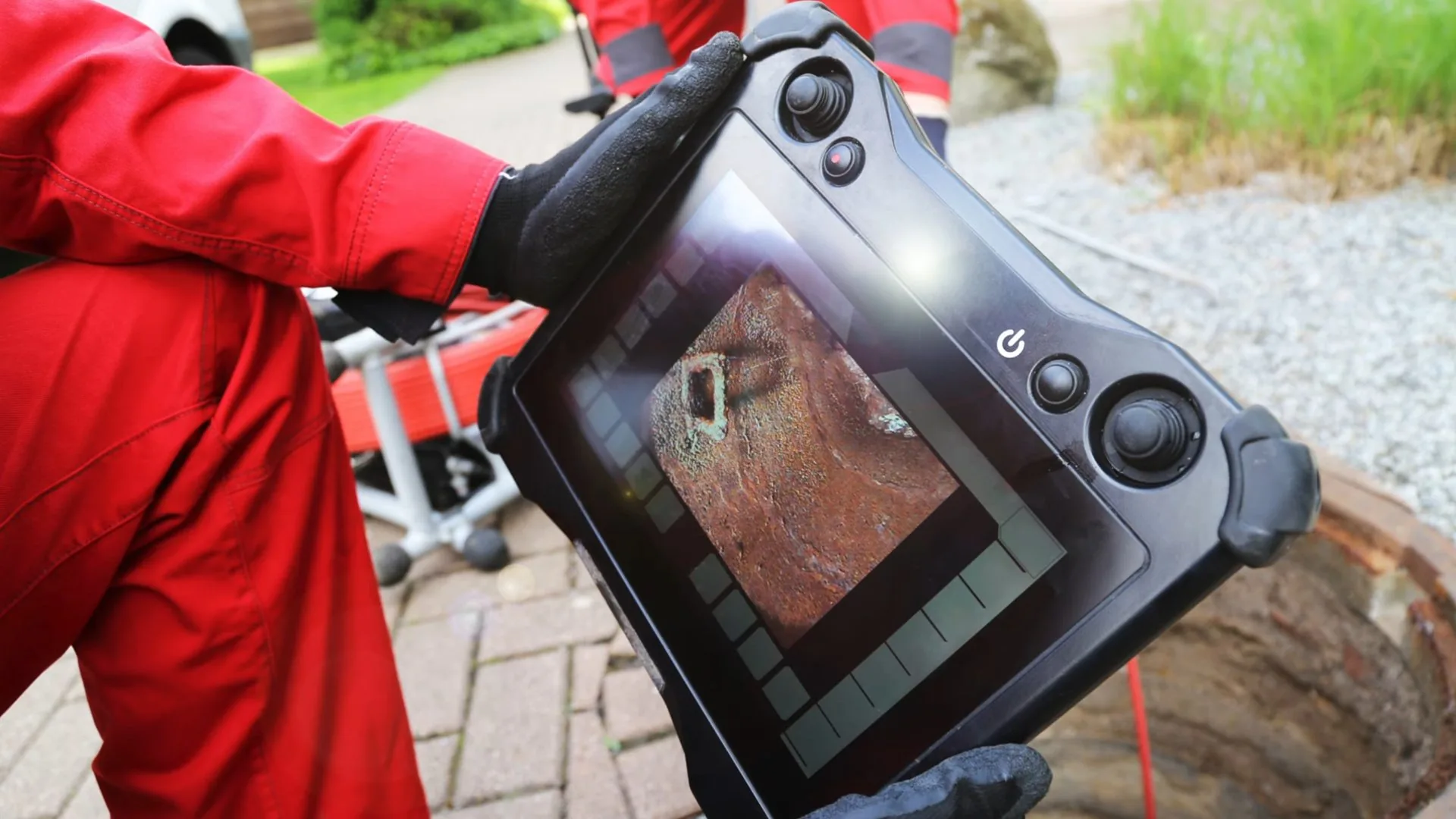
The line is backing up: what to do first
Wastewater coming up through a floor drain, tub or toilet means the main line is blocked somewhere downstream. Treat it as a health hazard. Keep children and pets away from the area, and stop adding water to the system until a plumber has looked at it.
- Stop using water. Do not run the dishwasher, washing machine, showers or sinks. Every gallon goes into the same blocked line.
- Keep people away. Sewage carries bacteria. Wear gloves and boots if you must go near it, and wash well afterward.
- Skip the chemicals. Drain openers do little against a main line blockage and can splash back on whoever works on it next.
- Check the smell. A rotten-egg odor can be sewer gas or natural gas. If you cannot tell, treat it as gas, leave and call SDG&E at 1-800-411-7343 or 911.
- Note what is affected. Which fixtures back up, and which drain is lowest? This tells the plumber where to start.
Sewage that has soaked carpet, drywall or flooring needs proper cleanup. The page on sewage cleanup and drying covers what to ask for.
Water backing up into the house? Call now and describe which drains are affected.
Call (833) 571-0120Where does your line end and the city's begin?
Your house drain runs underground to a larger line, the main, that serves the street. The pipe between the two is the lateral. Who is responsible for which stretch can differ from one property to the next, and no single La Mesa rule is cited here. Do not assume the answer.
What is on record is that the City of La Mesa charges for sewer collection and treatment, so the City has a stake in the public main. Before work that reaches the main, ask the City and the plumber to agree on where the private line ends. Ask the plumber to mark that point on the camera footage.
If the damage turns out to be in the public main, the plumber cannot fix it as a private job. Get the camera findings in writing before you call the City.
Camera inspection: reading what the recording shows
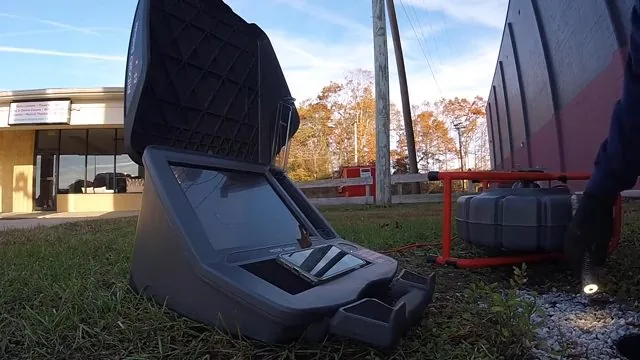
A sewer camera is a small waterproof lens on a flexible cable. It travels down the pipe and sends back video, usually with a locator so the plumber knows how deep and how far along the pipe each problem sits. Ask for the recording and the location of every defect.
| Finding | What it means | Typical next step |
|---|---|---|
| Roots at a joint | Roots found a gap and grew in | Cut the roots, then repair or line the joint so they do not return |
| Offset joint | Two pipe sections have shifted out of line | Repair the section, because cleaning will not realign it |
| Sagging section (belly) | Part of the pipe has sunk and holds water | Discuss replacing that section, since debris collects there |
| Crack or break | The pipe wall is damaged | Spot repair, replacement or relining, depending on the length |
| Grease or scale coating | Buildup narrows the pipe | Jetting or cleaning, then a plan to stop the buildup |
Treat the table as a guide to the conversation, not a diagnosis. Only the footage of your own line tells you what applies. Much of La Mesa's housing dates from after 1940, so older clay or cast iron lines are more likely to show a defect or two.
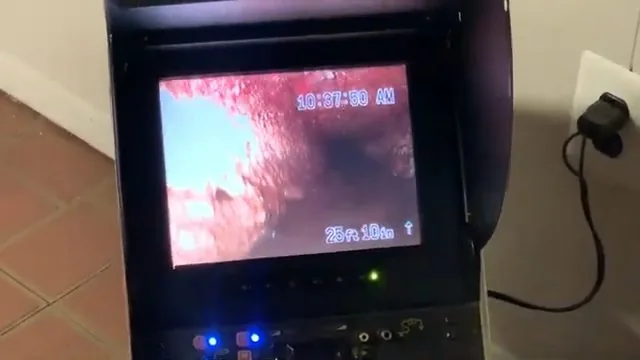
Cleaning the main line is not the same as repairing it
Main line cleaning pushes a cable or a high-pressure water jet through the pipe to remove a blockage. It is the right first step for a line that is simply clogged, and the plumber can usually tell from the first pass whether the pipe is sound.
Cleaning does nothing for the pipe itself. A cracked joint will catch roots again, and a belly will hold debris again. If the line backs up a second time within months, the answer is a repair. The tools are compared under cable and camera options, and high-pressure jetting explains when scouring the wall makes sense.
A good plumber will tell you plainly whether you are paying to clear a one-time blockage or to postpone a repair. Ask for the answer, and ask what on the footage supports it.
Repair paths: dig, replace a section or reline
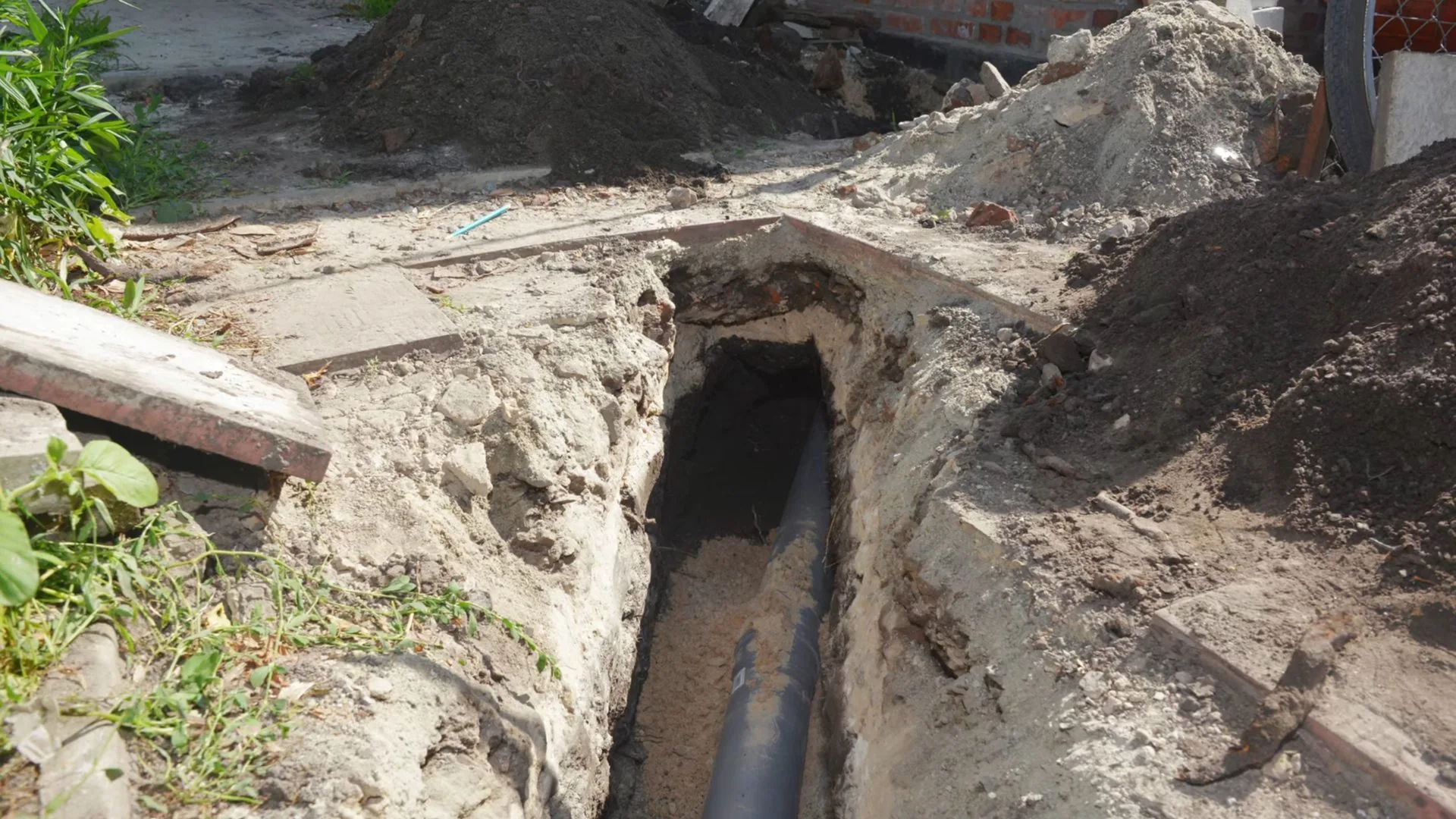
Once the camera shows damage, the choice depends on how long the damaged stretch is, how deep the pipe sits and what is above it. A short break in an open yard is a different job from a long run under a driveway or a room.
Open excavation
- Digs down to the damaged section and replaces it
- Suits short, shallow repairs in open ground
- Calls for 811 before any digging
- Leaves a trench to restore afterward
Trenchless relining
- Pulls a new liner through the existing pipe
- Can suit long runs under hardscape
- Needs the pipe cleaned and prepared first
- Still may need a small access pit
Contractors must call 811 at least two working days before digging, according to SDG&E, and a C-36 plumbing license covers fluid-waste disposal. Read the full comparison under relining the pipe before deciding, and ask each bidder what they would do and why.
Industrial and commercial sewer lines
A restaurant, an office or a multi-unit building puts far more flow through its sewer line than a house does, and the line carries different material. Grease, wipes and paper products are the usual causes of backups in shared and commercial lines.
These jobs often start with a camera run along the full length to the main, because a blockage near the building can hide a defect farther downstream. Ask the plumber to report the length inspected and to mark every defect on the recording.
If you rent the space, tell the owner or property manager right away. The lease usually decides who pays, and written findings from the plumber help both sides. Kitchen grease problems are covered under commercial kitchen grease lines.
Sewer line questions people ask before calling
These are the questions that come up most when a main line backs up or a camera shows damage.
How do I know if my sewer line is damaged and not just clogged?
A clog usually affects one fixture and clears with a cable. Slow drains in several fixtures, gurgling, or a backup in the lowest drain of the house point to the main line. A camera inspection is the only way to see whether the pipe itself is damaged.
Can I keep the camera recording?
You can ask for it, and you should. The video shows what the plumber saw and where, so you can compare quotes or get a second opinion. A plumber who cannot show you the damage is asking you to take the repair on trust.
Does a main line cleaning fix a broken pipe?
No. Cleaning clears what is inside the pipe and does nothing for a crack, an offset joint or a sagging section. If the line backs up again soon after a cleaning, the camera should show why.
Who pays for sewer work in a rented house or a shop?
That depends on the lease and on who owns the building. Read the lease, tell the owner or property manager about the backup right away, and ask the plumber to put the findings in writing for them.
Do you work on commercial and industrial sewer lines?
Yes. Restaurants, offices and multi-unit buildings have longer runs, more users and heavier loads on the line. Describe the building when you call, and ask for the camera to cover the full run to the main.
Backup or damaged line? Call La Mesa CA Expert Plumbers
Tell us which drains are affected and when it started. We will help you sort out cleaning versus repair.