
Leak detection · La Mesa, CA
Leak Detection in La Mesa, CA: Meter Still Running With Everything Off?
The meter dial keeps turning when every tap is off, or the water bill climbed and nobody changed a thing. Either one means water is going somewhere it should not. This page shows how to confirm a leak yourself, how to tell where it may be, and what to ask a plumber to do before anyone opens a wall.
Is the meter really telling you there is a leak?
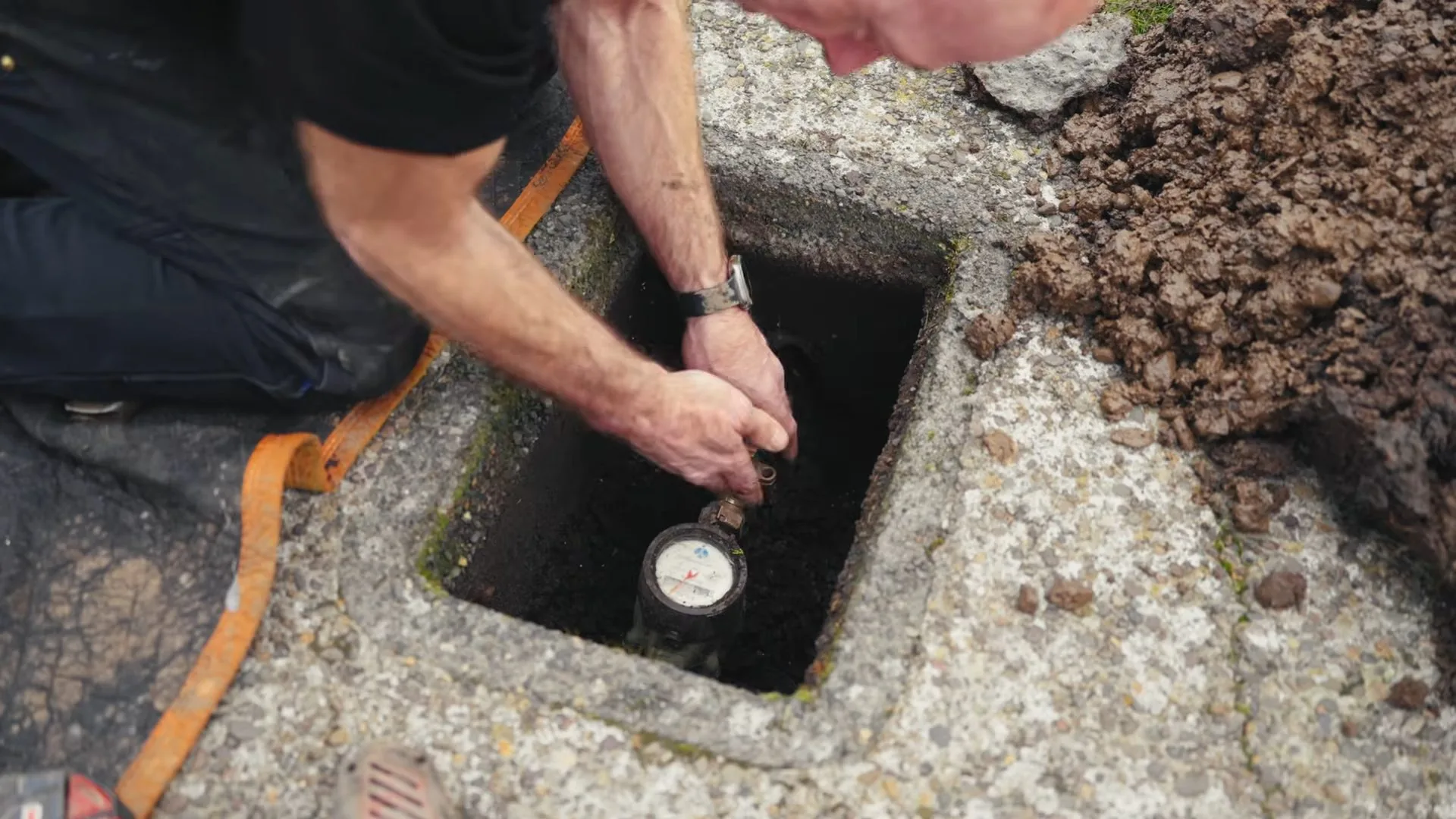
Start at the meter, because it does not guess. Helix Water District's meter guide describes a check that takes about ten minutes, and it works best when nobody in the house is using water. Follow the steps in order, and write down what you see at each one.
- Stop every source of water. Close the taps and pause the dishwasher and washing machine. Switch off the ice maker, the irrigation system and any pool pump, since these are the usual false alarms.
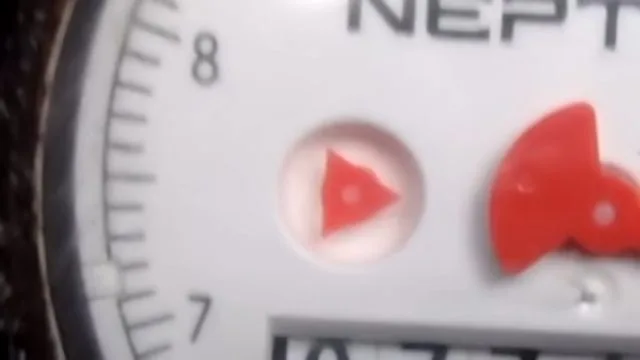
- Find the meter and read it. Helix meters usually sit in a concrete box near the sidewalk or street, marked for water. Look for spiders and rodents before you reach in. On an analog meter, watch the small low-flow indicator, because a spinning indicator with everything off means water is moving.
- Read the flow screen on a digital meter. Animated line segments mean water is flowing. Helix says a rate of 0.01 to 0.05 gallons per minute can come from a dribbling hose bib or a toilet leaking into its bowl.
- Dye-test every toilet. Put a dye tab or a few drops of food coloring in the tank and wait ten minutes. Color in the bowl means the toilet leaks, and a new flapper usually fixes it.
- Walk the yard. Look for a running hose, a soggy patch of soil or a sprinkler head that never dries.
If the meter is still moving after all five steps, you have a leak that is not a fixture. If it stops, the water use came from something on the list.
What the meter check cannot tell you
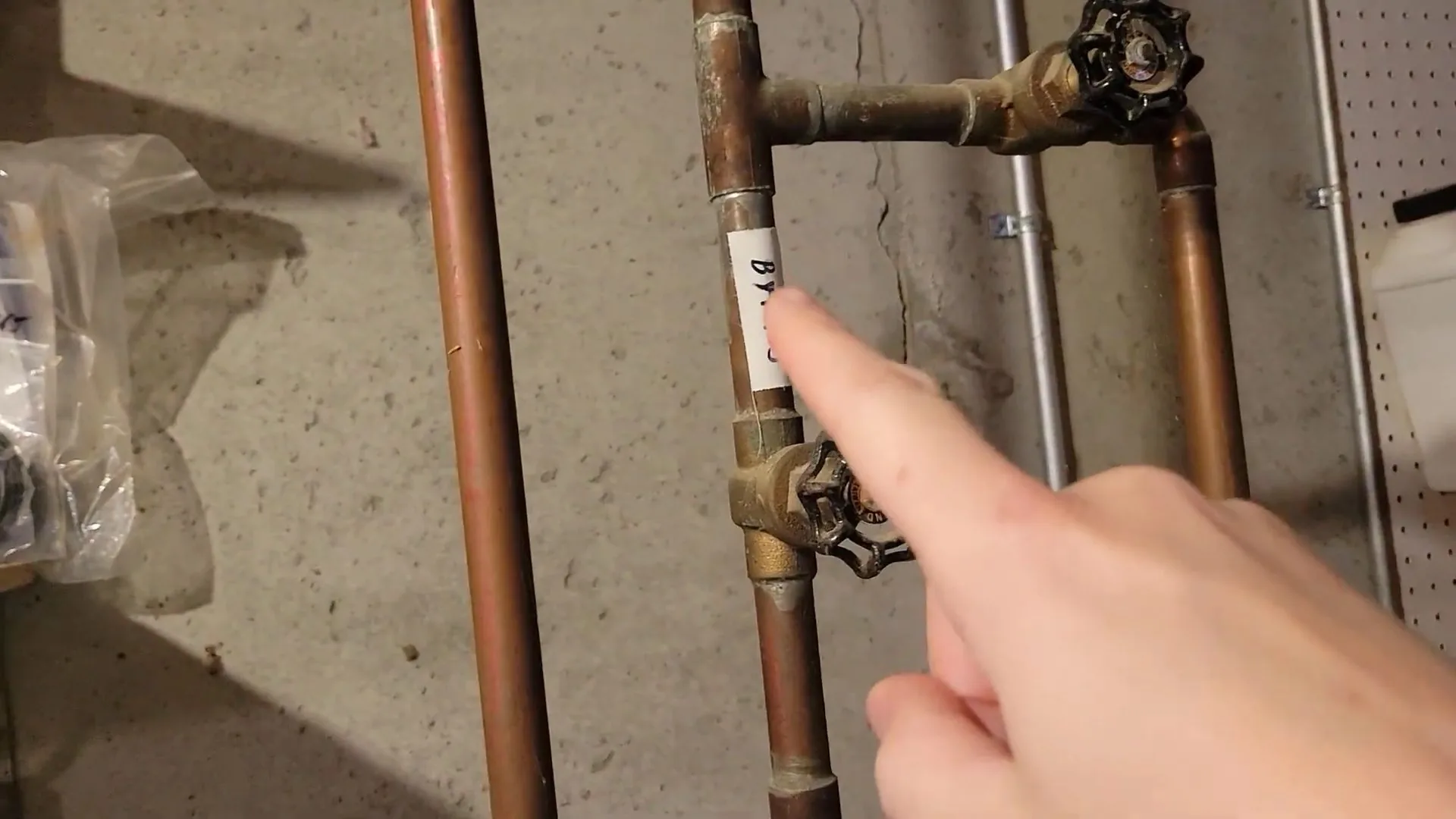
A moving meter proves water is escaping. It does not say whether the water is escaping inside the house, in the yard or under a floor. One more step narrows it down: close the main shutoff valve, usually where the water line enters the house, and look at the meter again.
Helix's guidance is simple. If the meter stops, the leak is inside, on the house side of the valve. If the meter keeps moving, the leak is outside the house, on the line that runs toward the meter. Neither result names the pipe, which is the work of leak detection: tracing the water to a specific spot so the repair opens as little of your home as possible.
If water is bubbling up at the street or around the meter box, call Helix customer service at (619) 466-0585 and tell them what you see. A plumber can help once the problem is on your side of the property line.
When you call us, tell us what the meter did before and after you closed the main. That one detail shapes the whole plan, and it saves a lot of guessing on the phone. After any strong earthquake, repeat the meter check even if nothing looks damaged, because San Diego County's hazard plan rates earthquake risk as medium and likely for La Mesa.
Reading the signs: where hidden leaks tend to show up
Most hidden leaks announce themselves long before a puddle appears. The table pairs each common sign with what it can mean and the first thing to check. It narrows possibilities, and it does not replace a proper trace.
| What you notice | What it can mean | First check |
|---|---|---|
| A warm or damp spot on the floor | A hot water line leaking in or under the floor | Keep feet and furniture off the spot and note where it is. If the home sits on a slab, read about a suspected slab leak. |
| A ceiling stain that keeps growing | A supply or drain line above it, or water from the roof | Check whether it grows only after rain. If it does, the source is probably the roof or a gutter. |
| Hissing or running water in a wall at night | Pressurized water escaping inside the wall | Close the main and listen again. Quiet after closing means the sound was water under pressure. |
| A water bill that jumped | A hidden leak, a toilet that runs, or a change in irrigation | Compare daily use on your last two bills, then run the meter check above. |
| Paint that bubbles or a musty smell on one wall | Moisture inside the wall cavity | Mark the edge of the area in pencil and photograph it. The sooner it is found, the less has to be dried out. |
| A wet or unusually green strip in the yard | A sprinkler line or the buried line from the meter | Turn irrigation off and read the meter again to see which one it is. |
| Green crust or a fine spray on a copper line | A pinhole leak where the pipe wall has worn through | Photograph it. Pinholes that keep appearing in different spots are a reason to ask about replacing worn supply pipes. |
Lower levels of the home deserve a look too. If you have a basement, a crawlspace or a garage with a slab wall, check the base of those walls for dampness after you have confirmed the meter is moving. Leaks that reach the framing can also lead to water damage cleanup, so the earlier the source is found, the smaller that job tends to be.
Who handles it: a plumber, Helix, SDG&E or a roofer?
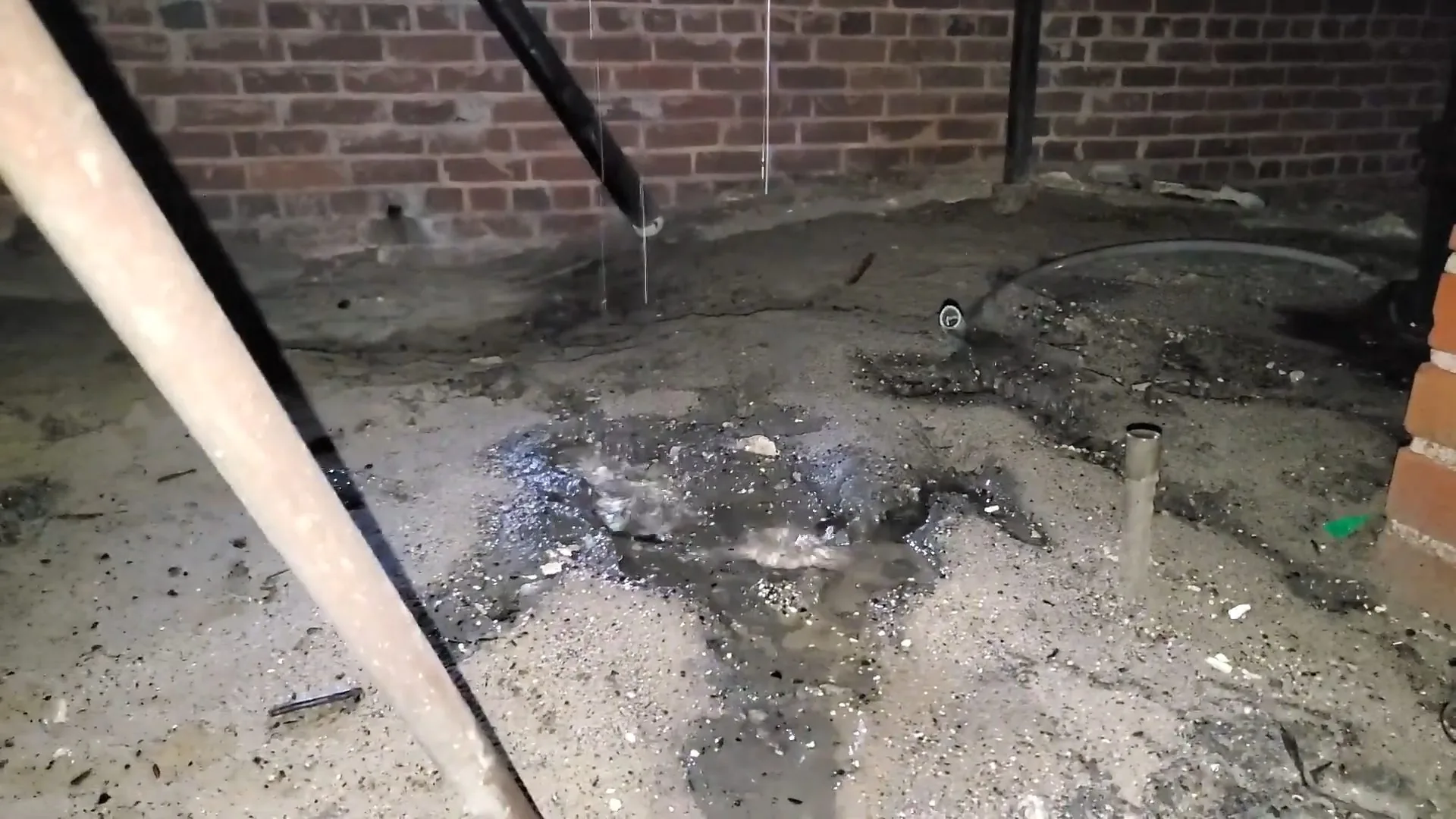
Not every wet spot is a plumbing problem, and a good detection visit also rules things out. These are the boundaries that matter in La Mesa, and who to call for each one.
- Water before your property. If water is surfacing in the street or around the meter box, call Helix customer service at (619) 466-0585. They can tell you whether it is theirs to fix.
- A gas smell. This is not a leak detection call. Leave the house, stay away from flames and anything that can spark, and call SDG&E at 1-800-411-7343 or 911, as SDG&E's gas leak guidance explains. A plumber can test gas piping connections after the utility has made the area safe.
- Roof and gutter leaks. A stain that grows only in wet weather usually points to flashing, shingles or a gutter. A plumber can rule out the plumbing, but the repair belongs to a roofer.
- Air conditioner drain lines. A ceiling stain under an attic air handler can be condensate. That line belongs to the air conditioning contractor.
- Pools and spas. Leaks in the pool shell or its built-in equipment are a pool specialist's work. A plumber can test the household supply lines that feed the equipment.
What to ask a plumber to find, document and quote
A detection visit should end with evidence, not a guess. Before anyone cuts into drywall or flooring, ask these questions and expect clear, specific answers to each of them.
- How will you locate it? Ask which method will be used and why it fits your symptom. Pressure testing isolated sections, listening for escaping water and thermal imaging each answer different questions.
- Can you show me? Ask for photos, thermal images or readings that point at the spot, so the opening is based on evidence.
- How big is the opening? Ask how much wall, ceiling or floor will be opened, and who restores it. Many repairs end at the pipe, and patching and painting are separate work.
- Is it one leak or a failing line? Ask whether the rest of the line was pressure tested. Repeated failures can point toward repairing a split section now and a bigger decision later.
- What will you give me in writing? Ask for the source, the cause and the extent of the damage, since your insurer may want them.
- Who holds the license? California licenses plumbing work under the C-36 class. Ask for the number and check it on the Contractors State License Board site before work begins.
Not sure where your meter check leaves you? Describe what you saw and we will help you decide the next step.
Call (833) 571-0120Leaks in commercial and multi-unit buildings: what changes
The meter check still starts the process, but a larger building adds questions that a house does not have. The first is which meter and which shutoff serve the area where the water is showing up. Many buildings have several of each, and a leak in one tenant space can run for days before anyone connects it to a bill.
- Zone the problem. Close the shutoff for one area at a time and watch the meter. Note which closure slows or stops it.
- Know who holds access. Ceilings, shared walls and utility rooms often need keys or a property manager. Arrange access before the visit.
- Check the lease. Who pays for the repair, and who pays for damage to a tenant's space, depends on the lease. A plumber's written findings help settle it.
- Plan the opening. Ask how the work can be sequenced to limit disruption to tenants or customers.
When you call about a commercial property, tell us the building type, how many units or zones it has, and where the water is showing up. That is enough to plan the first visit.
When a leak can wait a day and when it cannot
Leaks sit on a spectrum, and the meter check helps you place yours. The aim is to stop damage from spreading without turning every small drip into an urgent call, and the lists below show where the line usually falls.
Call right away
- Water is flowing and closing the main does not stop it
- Water is near outlets, a light fixture or the electrical panel
- A ceiling is sagging or dripping steadily
- The meter spins fast with the main open and you cannot find the source
Reasonable to schedule
- A slow leak you have isolated by closing the main valve
- A damp patch that has stayed the same size for days
- A toilet or hose bib that the dye test or yard walk identified
- A small stain with no change after you closed the main
Even a slow leak should not wait for weeks. Water travels along framing and under flooring, and the damage is usually larger than the stain suggests. If you are unsure which column your leak belongs in, call and describe it.
Leak detection questions from La Mesa homeowners
These are the questions that come up most often before a detection visit, from how a leak gets found to what to have ready when you call.
Can a leak be found without tearing out the wall?
Often the location can be narrowed down before anything is opened, by isolating sections of pipe, listening for the sound of escaping water and checking for temperature differences. A small access opening is sometimes needed to confirm the spot. Ask the plumber to explain how the method fits your symptoms.
My meter moves only a little with everything off. Is that still a leak?
Yes, any steady movement means water is going somewhere. Helix notes that a very small flow can come from a dribbling hose bib or a toilet leaking into the bowl, so test the toilets with dye and check the yard first. If the movement continues after that, call.
What should I have ready when I call?
Tell us what the meter did before and after you closed the main shutoff, where you see damage or hear water, when you first noticed it, and whether the house sits on a slab or a raised foundation. A photo of the stain or the meter display is useful.
Should I stay in the house if I find a leak?
Usually yes, once the main shutoff is closed and the water is not near outlets, light fixtures or the electrical panel. If water is near anything electrical, or a ceiling is sagging, leave that room and call 911 if anyone could be in danger.
Meter still moving? Call La Mesa CA Expert Plumbers.
Tell us what the meter did and where you see damage. We will help you work out whether it needs a visit now.