
Slab leak detection and repair · La Mesa, CA
Slab Leak Detection in La Mesa, CA: Warm Floor Spots, Hissing and a Meter That Will Not Stop
A floor that feels warm under bare feet, the sound of running water when every fixture is off, or a meter that will not stop can all point to a leak in the pipes beneath a slab. Before anyone breaks concrete, you need to know whether the leak is really there, where it is and which repair fits. This page walks through those decisions.
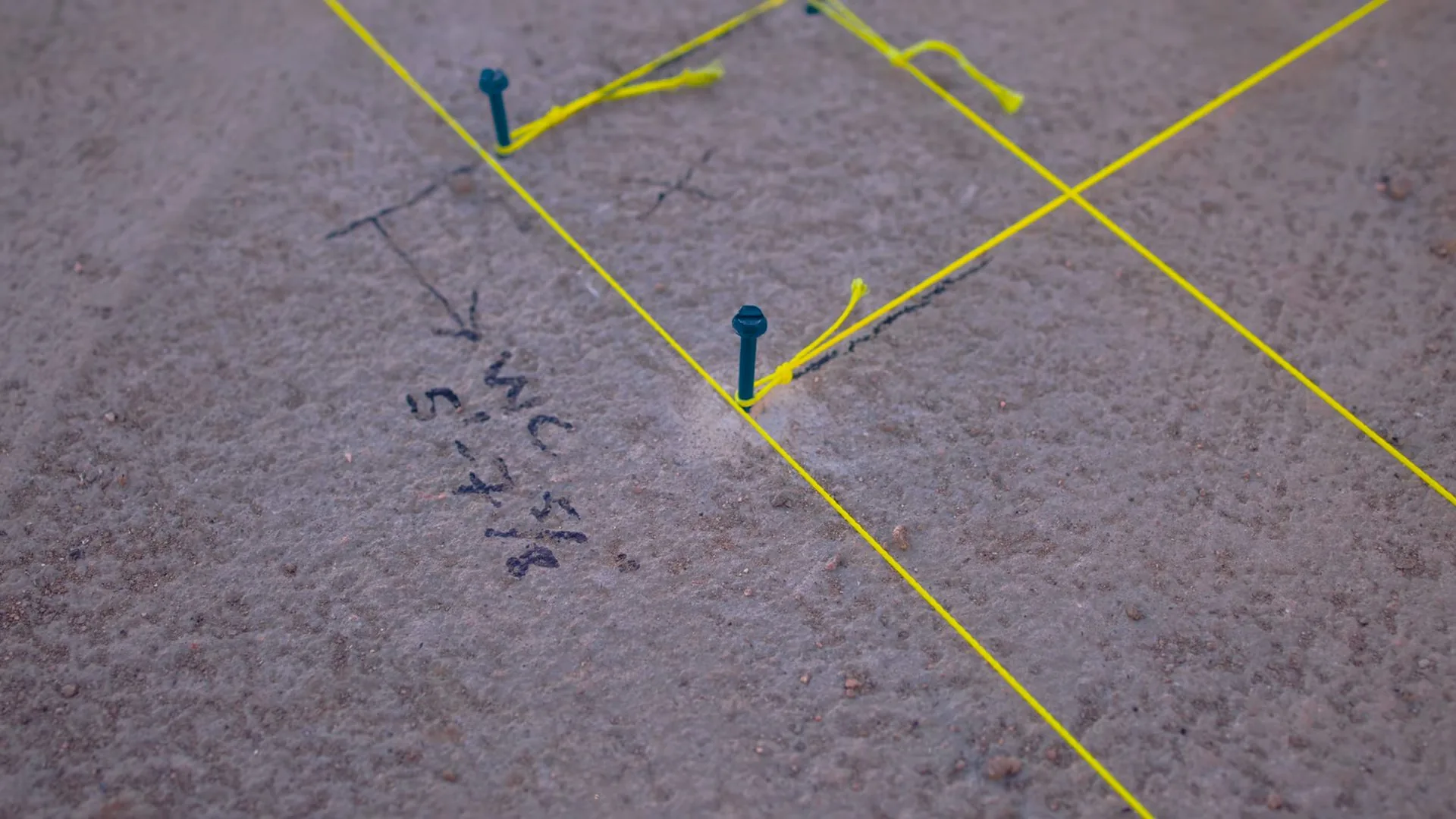
First question: does your house sit on a slab at all?
Slab leaks get the attention, but they apply only to homes built on a concrete slab with pipes in or under it. A house can sit on a slab, on a raised foundation over a crawlspace, or on a hillside lot that combines the two. Do not assume which one you have. Confirm it first, because the whole conversation changes if there is no slab.
- Look for crawlspace vents or an access panel along the outside walls. A crawlspace means pipes are usually reachable from below.
- Check whether the garage floor and the living space sit at about the same level, which often points to a slab.
- Ask your plumber to confirm the foundation and the supply line material on site, since neither can be assumed.
Much of La Mesa's housing dates from the building boom after 1940, so many homes are old enough that the original supply lines may have been replaced, patched or left alone. Age alone is not proof of a leak. It is a reason to have the pipe material identified before a repair is chosen. If your home has a raised foundation, a leak under the house is a different job, and standard leak detection is the place to begin.
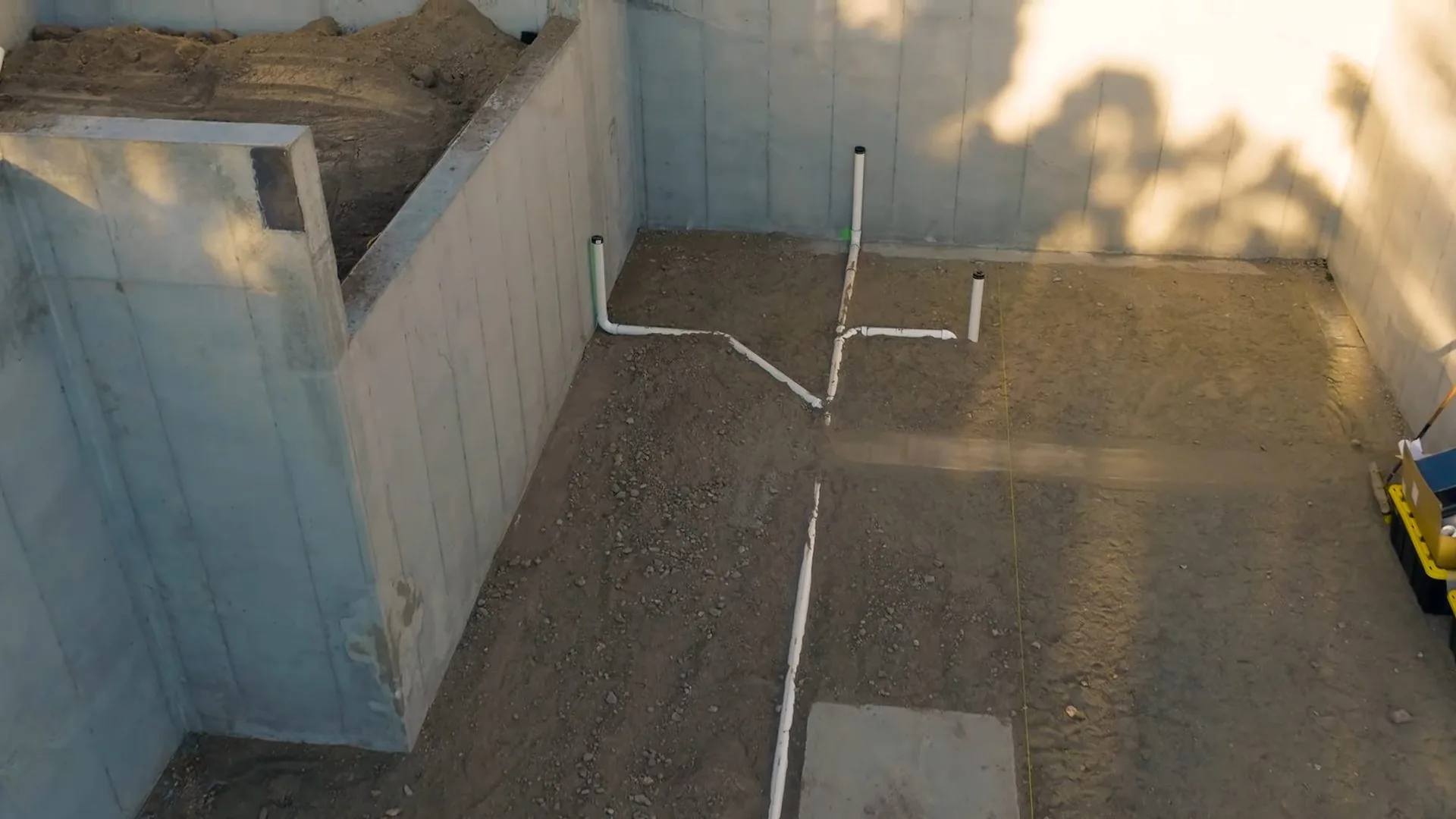
Signs that point under the floor, and signs that do not
The signs below are suggestive, not proof. Several of them together, with a meter that keeps moving while every fixture is off, make a slab leak worth investigating before anything is opened.
| What you notice | What it suggests | What to do |
|---|---|---|
| A warm spot on the floor, or hot water that arrives slowly | A hot water line leaking in or under the slab | Mark the spot with tape and avoid walking on it. Do not turn up the heater to compensate. |
| Running or hissing water with every fixture off | Pressurized water escaping somewhere under the floor | Close the main shutoff. If the sound stops, the water was under pressure. |
| Damp carpet or a wet patch along a baseboard | Water coming up through the floor or along a wall | Photograph it and note the date, then read the meter. |
| A water heater that runs more often than before | Hot water being lost before it reaches a tap | Note how often it cycles. Mention this when you call. |
| A single dripping faucet or one stained ceiling | A fixture problem or a leak above the floor, not the slab | Read about fixing a leaking faucet, or run the meter check before assuming the worst. |
Hot side or cold side: a five-minute test
Knowing which side of the plumbing is leaking changes where the plumber starts looking. You can narrow it down yourself without any tools, and the answer is useful on the phone.
- Confirm the meter is moving with every fixture and appliance off.
- Close the cold supply valve at the water heater. It is usually the valve on the pipe entering the top of the tank.
- Watch the meter for a few minutes. If it stops, the leak is on the hot side, which includes the tank connections and the hot lines. If it keeps moving, the leak is on the cold side.
- Reopen the valve right away. Do not leave a heater running with its supply closed, and do not leave the house without confirming the valve is open again.
A hot-side leak often shows up as a warm spot or a heater that cycles more than before. A cold-side leak is harder to feel and is more often found by sound or by the meter. Tell the plumber which result you saw.
Spot repair, reroute or repipe: how the choice is made
Once the leak is located, the real decision begins. There are three repair paths, and the right one depends on the pipe, the number of leaks and how reachable the line is. Ask the plumber to explain why one fits your home better than the others.
| Option | Usually fits when | What to ask |
|---|---|---|
| Spot repair | There is one leak, the pipe elsewhere is sound and the spot is easy to reach | How much floor is opened, and who patches and restores it |
| Reroute | The line under the slab has failed in more than one place or cannot be reached cleanly | Where the new pipe will run, and whether walls or the attic must be opened |
| Repipe | Leaks keep appearing in different parts of the supply plumbing | Whether the job is a full repipe of the whole house or only the affected branch |
No-dig methods exist for some situations, and the plumber should say plainly whether one applies to your line. The method is explained in more detail under trenchless pipe lining. Whatever the repair, ask for the leak location in writing, with a photo or measurement from a fixed point, so the finding does not depend on memory.
Warm spot, hissing or a meter that will not stop? Describe it and we will help you work out the next step.
Call (833) 571-0120Before anyone cuts the slab: cables, scans and written findings
Some slabs are post-tensioned, which means steel cables run through the concrete under very high tension. A trade article on demolition near these cables warns that cutting one without locating it first can be deadly, and describes cut cables tearing strips out of a slab. This is a safety question, not a sales one.
If you do not know how your slab was built, say so when you call. Then ask how the slab will be scanned for cables and reinforcing steel before any cutting, and who is responsible for that scan. A plumber who answers confidently and specifically is the one you want.
Ask the same questions about the permit. Plumbing work that needs a permit must be done by a contractor in California, and the plumber should tell you who will pull it and which office issues it for your address. Ask for the C-36 license number and check it on the Contractors State License Board site before work starts.
What causes slab leaks here, and what the county's plan says
Some homeowners are told that shifting soil is breaking their pipes. San Diego County's hazard mitigation plan for La Mesa rates expansive soil and landslide risk as low, so that explanation needs evidence before you accept it. Ask what the plumber actually found: a corroded section, a failed joint, a pipe rubbing against concrete or something else.
The same plan rates earthquake risk as medium and likely for La Mesa. After strong shaking, read the meter again even if nothing seems broken. A line can crack without any visible sign, and the earlier you catch it, the less water reaches the ground under the slab.
The meter check is the same in every case. Stop all water use, read the meter, close the main and read it again. Helix says a meter that keeps moving after the main is closed means the leak is outside, so a stopped meter points to the house side.
Foundation worries and insurance paperwork
A long-running leak can wet the ground beneath a slab. Watch for new cracks in walls or floors, doors that begin to stick, or tile that lifts. A plumber can stop the water, but whether the slab itself needs attention is a question for a structural engineer or a foundation contractor, not for a plumbing visit.
If you may file an insurance claim, document before you repair. Take dated photos of the damage and the meter, keep the plumber's written findings and receipts, and read your policy or call your insurer before demolition begins. Many policies ask for prompt notice, and some limit what they cover for slow leaks. Water that has soaked carpet, baseboards or drywall also needs removal and drying, which is a separate job from the pipe repair.
Before you call: slab leak questions answered
These are the questions that come up most often once someone suspects a leak under the floor, from how it gets found to what the repair involves.
How is a slab leak found?
The usual path starts with the meter check, then isolates the hot and cold sides, then listens along the suspected lines with sensitive equipment. Thermal imaging can show a warm path under the floor. A pressure test of a single line confirms the result before any concrete is cut.
Does a slab leak mean my foundation is failing?
Not by itself. A small leak is a plumbing problem, and the repair is a plumbing job. Long-running leaks can wet the ground beneath the slab, so look for new cracks, sticking doors or lifting tile, and ask a structural professional to judge those.
Will my floors be torn up?
It depends on the repair. A spot repair opens the floor above the leak. A reroute avoids the slab by running new pipe through walls or the attic, which usually means less concrete work. Ask which one is proposed and who restores the flooring.
Is a slab leak an emergency?
Water you cannot stop is, so close the main shutoff and call. A confirmed slow leak with the water shut off at the main can wait for a scheduled visit, but not for weeks, because the water keeps spreading under the floor.
Talk to La Mesa CA Expert Plumbers about a suspected slab leak
Describe the warm spot, the sound or the meter. We will help you decide how soon it needs a visit.