
Trenchless sewer repair · La Mesa, CA
Trenchless Pipe Lining in La Mesa, CA: Relining a Sewer Line Without Digging Up the Yard
Fixing a buried sewer line used to mean a trench across the lawn or driveway. Lining and a few related methods work from inside the pipe instead, with small access points. They do not suit every line, so this page lays out where they fit and where they do not.
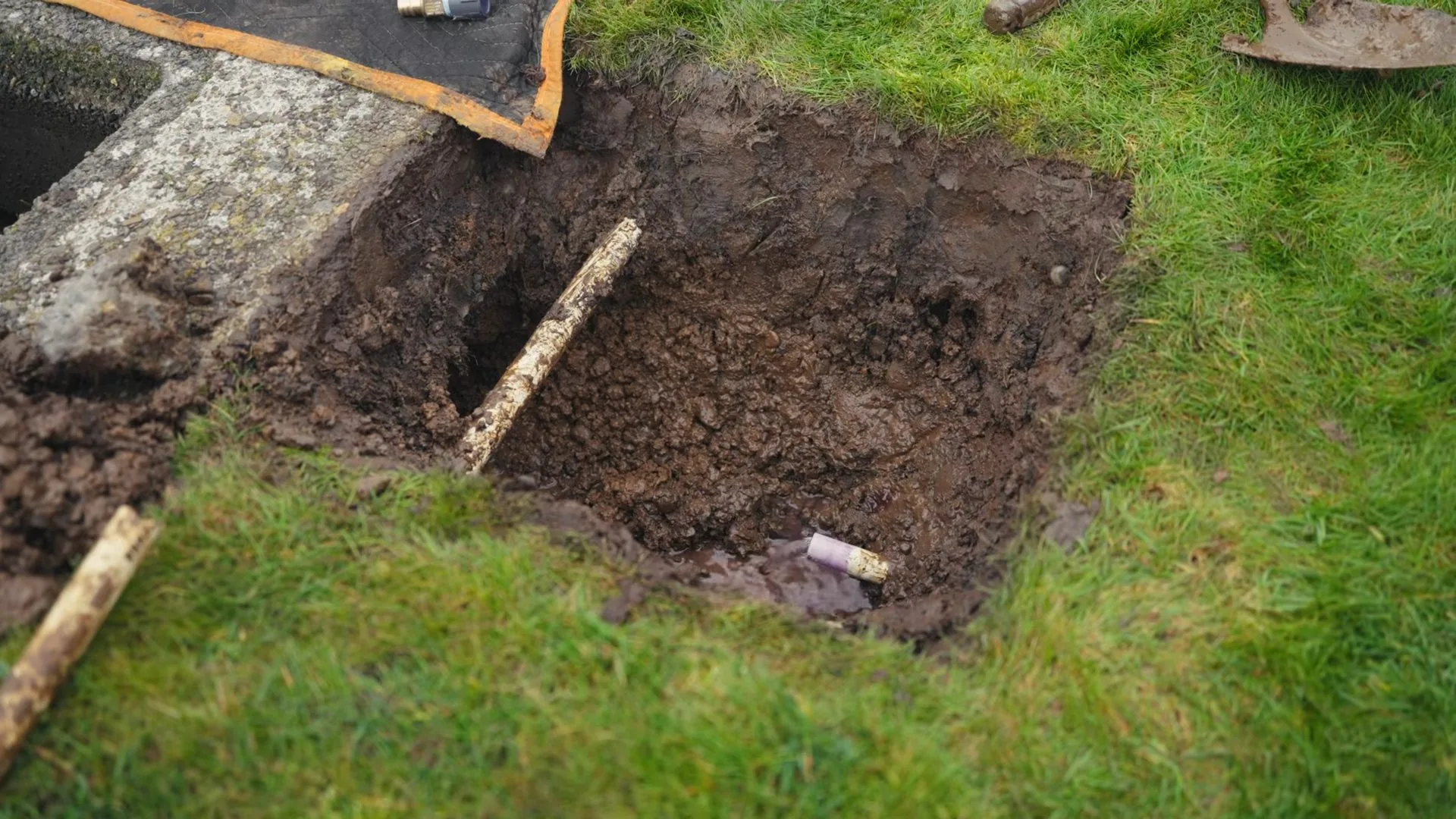
Lining, bursting or an open trench: the options side by side
Three approaches cover most buried sewer repairs. The plumber chooses among them based on what the camera shows, how long the damaged stretch is and what sits above it. Knowing the basic differences helps you compare bids that do not use the same method.
| Method | How it works | Where it fits | What to ask |
|---|---|---|---|
| Cured-in-place lining | A resin-soaked liner is pulled or inverted into the old pipe and cured until it hardens | Long runs with a sound pipe, lines under hardscape | Prep work, liner material, how branch openings are reinstated |
| Pipe bursting | A new pipe is pulled through as the old one is broken apart outward | Badly damaged runs, or where a bigger pipe is wanted | Entry and exit pits, nearby utilities, ground movement |
| Open trench | The yard is dug and the damaged pipe replaced | Short, shallow repairs in open ground | 811 timing, restoration of the surface |
An ICC publication on existing sewer repair lists lining and bursting for laterals, with sectional repair as a way to fix one spot or to prepare a pipe for lining. Compare bids against that list, and ask each plumber to say why they chose their method.
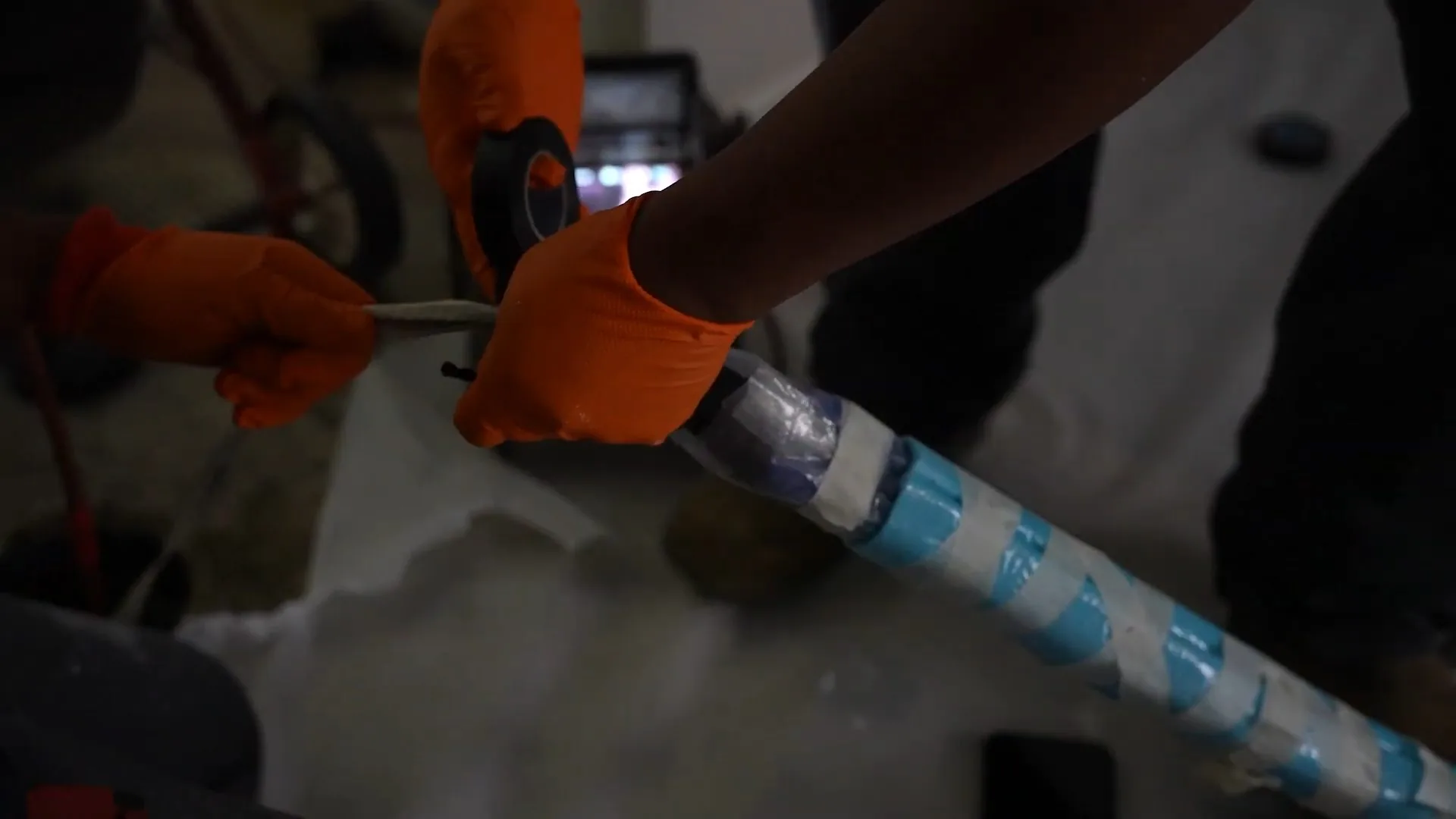
Is your pipe a candidate? What the camera has to settle
Lining only works when the old pipe can serve as a stable host for the new one. The ICC publication names the conditions that decide it: multiple bends, changes in diameter, offset joints, cracks, deposits, roots and the junction with the public sewer. Physical and legal access count too.
- Bends. Several tight turns make it harder to pull or invert a liner through the line.
- Diameter changes. A line that steps from one size to another needs a plan for the transition.
- Offset joints and cracks. These must be repaired or accounted for so the liner can seat properly.
- Roots and deposits. They are cut and cleaned out first. Skipping this undermines the liner.
- The junction with the main. Opinions differ on how to seal it, so ask what is proposed.
The source does not settle how lining treats a collapsed or sagging section. Do not take either answer on faith. Ask the plumber to show that section on the footage and to explain the plan for it in plain words.
What lining day looks like, step by step
The sequence is fairly consistent, though details vary by crew and by product. Walking through it helps you spot a quote that skips a stage.
- Inspect. A camera run maps the pipe, its length and every defect before anything is ordered.
- Clean. Cable or jetting clears roots and deposits so the liner can sit against the wall. jetting the host pipe is a common choice.
- Repair. Offsets, breaks or protruding roots are fixed first. Sectional repair is often part of this stage.
- Insert and cure. The liner is pulled or inverted into place and cured with hot water, steam, hot air or light, depending on the product.
- Reopen and re-inspect. Branch openings are reinstated, and a second camera pass confirms the result.
Ask for both recordings, the product information and the written scope. Those documents are your protection if something fails later.
Not sure your sewer line suits lining? Call and describe what the camera showed.
Call (833) 571-0120Digging still happens: access pits and 811
Trenchless does not mean zero excavation. Lining and bursting both usually need at least one access point, and sometimes two. The savings come from avoiding the long trench between them.
Any dig, however small, calls for a call to 811. SDG&E says to contact 811 at least two working days ahead and that contractors must call. Ask who places the call and when, and whether marked lines near your access point could change the plan.
A C-36 plumbing license covers fluid-waste disposal. Ask for the number and look it up with the state before work begins. Also ask how the access pit will be backfilled and the surface restored, because that part is easy to forget when comparing bids.
Whenever the work reaches the public main, ask the City of La Mesa and the plumber who handles that stretch. The City charges for sewer collection and treatment.
Rerouting under a slab is a different tool
The term trenchless also turns up in slab leak work, where it can mean running a new line through walls or attic space instead of breaking up the floor. That is a different job from relining a sewer pipe, even though the words overlap.
If your concern is a water supply leak under the house, read slab leak options instead. Supply lines carry pressurized drinking water, while sewer lines carry waste by gravity, and the repair methods differ for that reason.
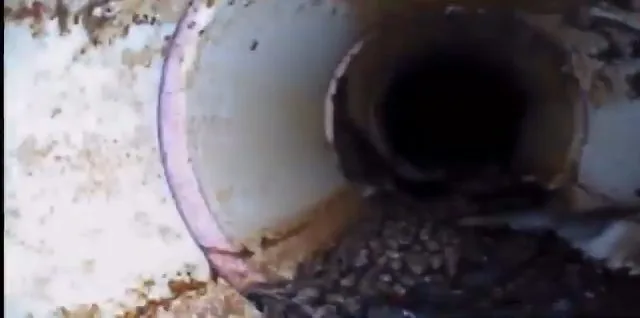
Questions to ask a plumber before signing a lining bid
Lining is a specialized job, and bids can differ more than you expect. A short list of questions makes comparison easier and tells you quickly which plumber knows the work.
- Which parts of the footage make my line suitable for lining?
- What cleaning and repair come first, and are they in the quote?
- What liner product is used, and what does the manufacturer say about it?
- Where will access pits go, and how will the surface be restored?
- How is the junction with the main handled, and who approves it?
- What does the written warranty cover, and for how long?
Cost depends on length, depth, access and prep. what drives repair pricing explains the factors, and you can always ask us to walk through a quote.
Can my line be lined? Common questions
Here are the questions that come up most often once a camera has shown damage.
Does trenchless mean no digging at all?
Not always. Many jobs need a small access pit at one or both ends of the pipe, or at a cleanout. The point is that the long trench between those spots is avoided. Ask the plumber where each pit would go and how it would be restored.
Can any sewer pipe be lined?
No. Sharp bends, changes in pipe diameter, badly offset joints and heavy damage can all rule lining out or call for repairs first. The camera footage should show whether your line is a candidate, and the plumber should be willing to say no.
What happens before the liner goes in?
The pipe is cleaned so the liner can sit against the wall, and defects that would prevent that, such as protruding roots or an offset, are repaired. Ask what prep the quote includes, because it can be a large share of the work.
How is the junction with the city main handled?
There are methods that seal the junction from the main side, and others that line only the private pipe. Ask what the plumber proposes, who needs to approve work that touches the main, and who is responsible if it fails later.
Is lining a permanent fix?
It can last a long time when the host pipe was a sound candidate and the work was prepped properly. Ask for the liner material, the manufacturer information and any written warranty, and keep the before and after video.
Ask La Mesa CA Expert Plumbers if your sewer line can be relined
Share what the camera found, and we will talk through whether lining, bursting or a dig fits your layout.