
Tankless water heaters · La Mesa, CA
Tankless Water Heater Services in La Mesa, CA: Is Tankless Worth It With Hard Water?
A tankless heater warms water as it flows instead of storing it, so there is no tank to run out. That sounds like an easy win, and sometimes it is. It also comes with gas, venting and hard water questions that deserve a straight answer before you buy.
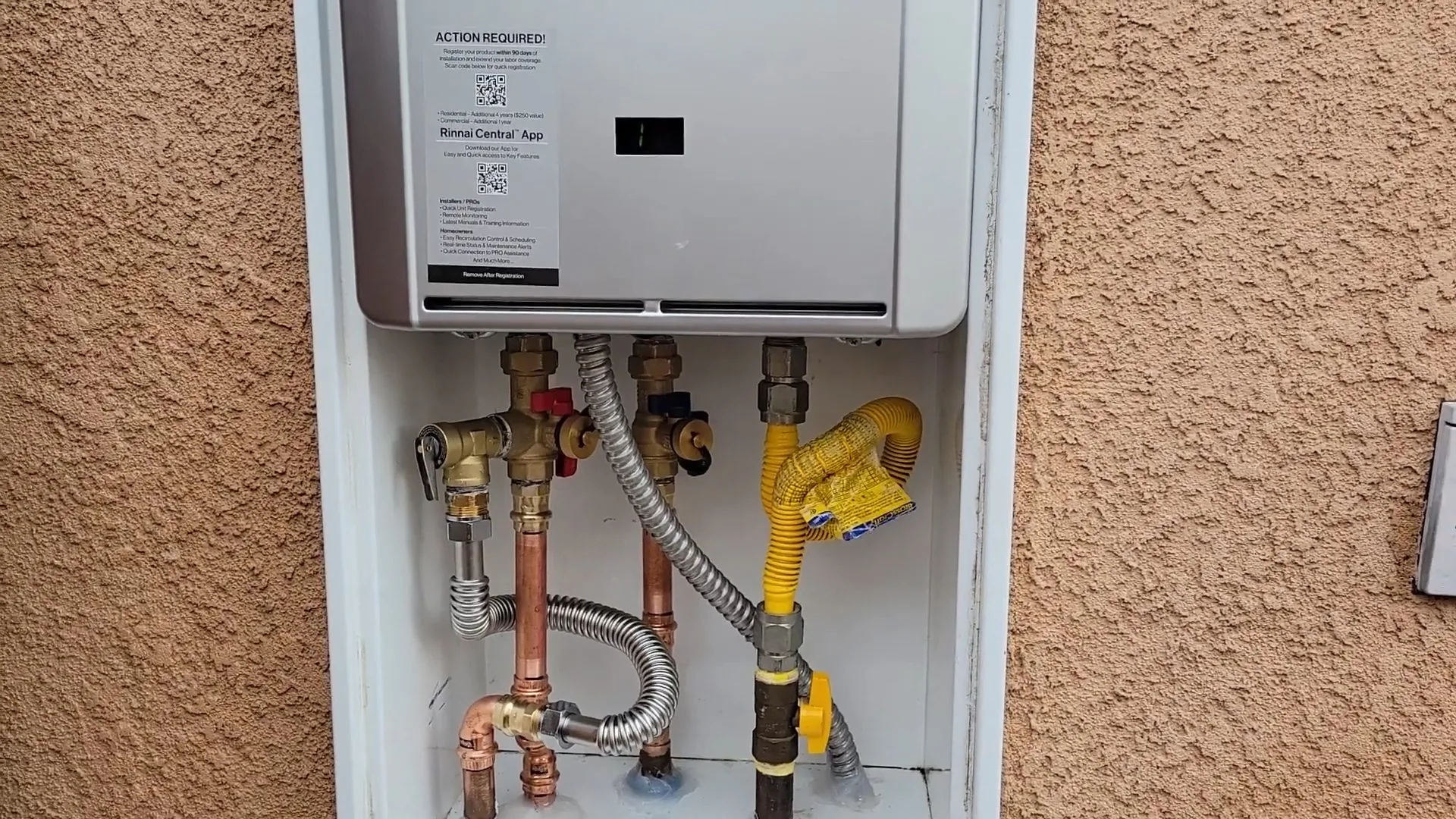
Tank or tankless: where the two really differ
The big difference is how hot water is produced. A tank heats a stored supply and keeps it warm. A tankless unit heats water on demand, and its limit is how much it can heat at once. Everything else follows from that.
| Question | Tank heater | Tankless heater |
|---|---|---|
| How is hot water supplied? | From a stored supply that can run out | Heated as it flows, limited by flow rate |
| What about space? | Needs floor space for the tank | Wall mounted, usually smaller |
| What does it ask of the gas line? | A modest gas input | Often a larger input; the line may need upgrading |
| How does hard water affect it? | Sediment settles in the tank | Scale builds inside the heat exchanger |
| What fails first? | The tank wall, eventually | Parts such as sensors, igniters or a scaled exchanger |
Neither is better in every house. Ask the plumber to compare the two for your actual hot water use, and to tell you what each option would require beyond the unit itself.
Hard water and the heat exchanger
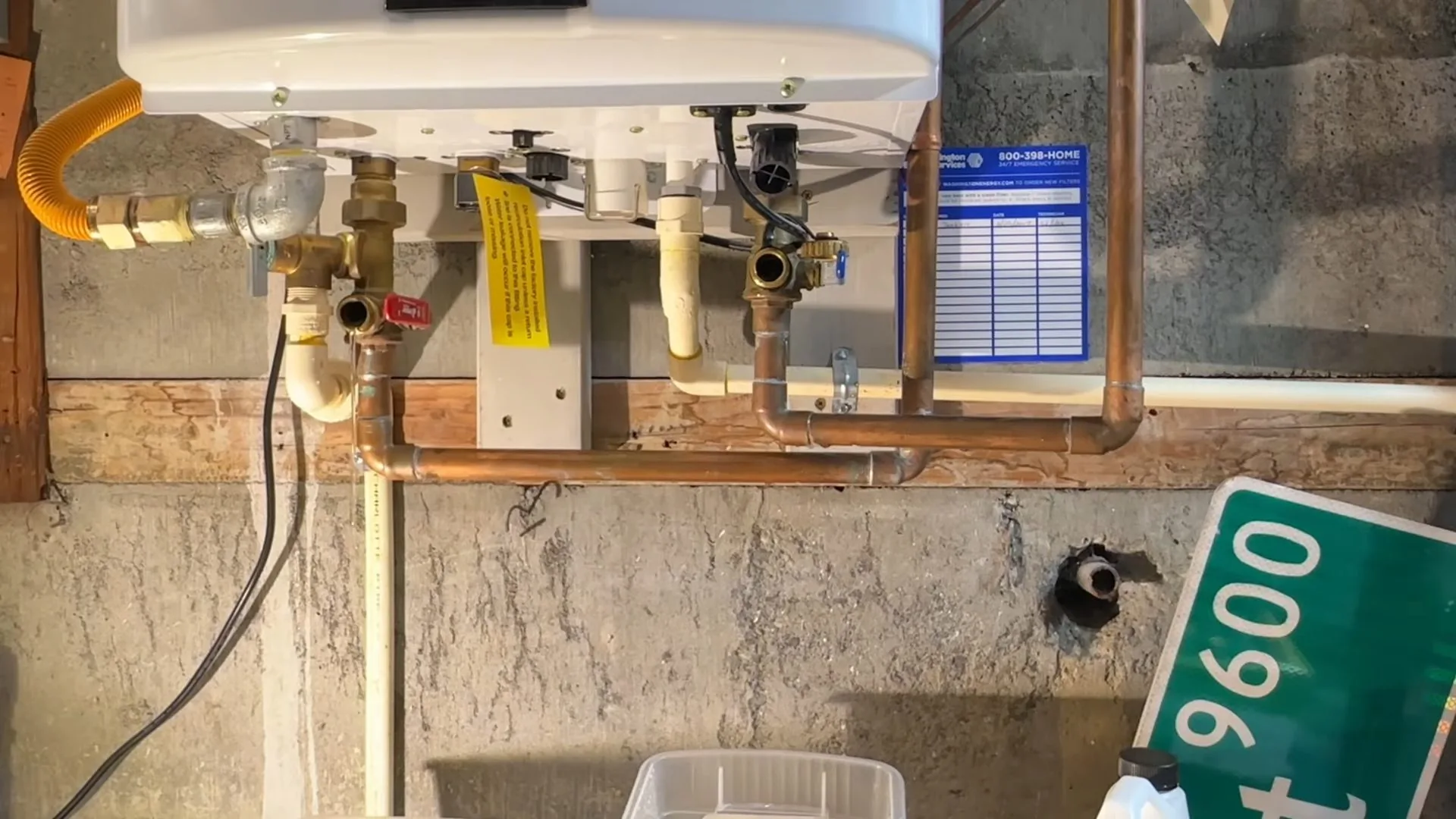
Helix treated water in La Mesa runs from 9.1 to 14.6 grains per gallon, averaging 12.0. Tankless units pass water through narrow passages in a heat exchanger, and scale from hard water narrows them further. The result can be less flow, noise, error codes and shorter life.
The fix is descaling, usually a flush that circulates a descaling solution through the unit. How often depends on the water, how much hot water you use and what the manual says. Ask the plumber to base the interval on what they measure at your unit, such as flow and fault codes, and not on a fixed schedule alone.
A softener upstream can reduce the load on the heater. The tradeoffs are covered under whole-house softening, and a plumber who sells you a tankless unit in this area should be ready to discuss it.
Gas line, venting and power: the install checklist
A tankless unit can draw more gas at once than the tank heater it replaces. The line to the unit, and sometimes the meter, has to supply that. Ask the plumber to check the pipe size, the run length and the load of other appliances before quoting.
- Gas supply. Is the line sized for the unit's input, and does anything else share it?
- Venting. Vents must carry combustion products outside and follow the manufacturer's instructions. Ask where it will run.
- Power. Many units need an outlet for controls and fans. Ask where the power will come from.
- Relief protection. The relief device must be sized to the heater. Ask how that is handled.
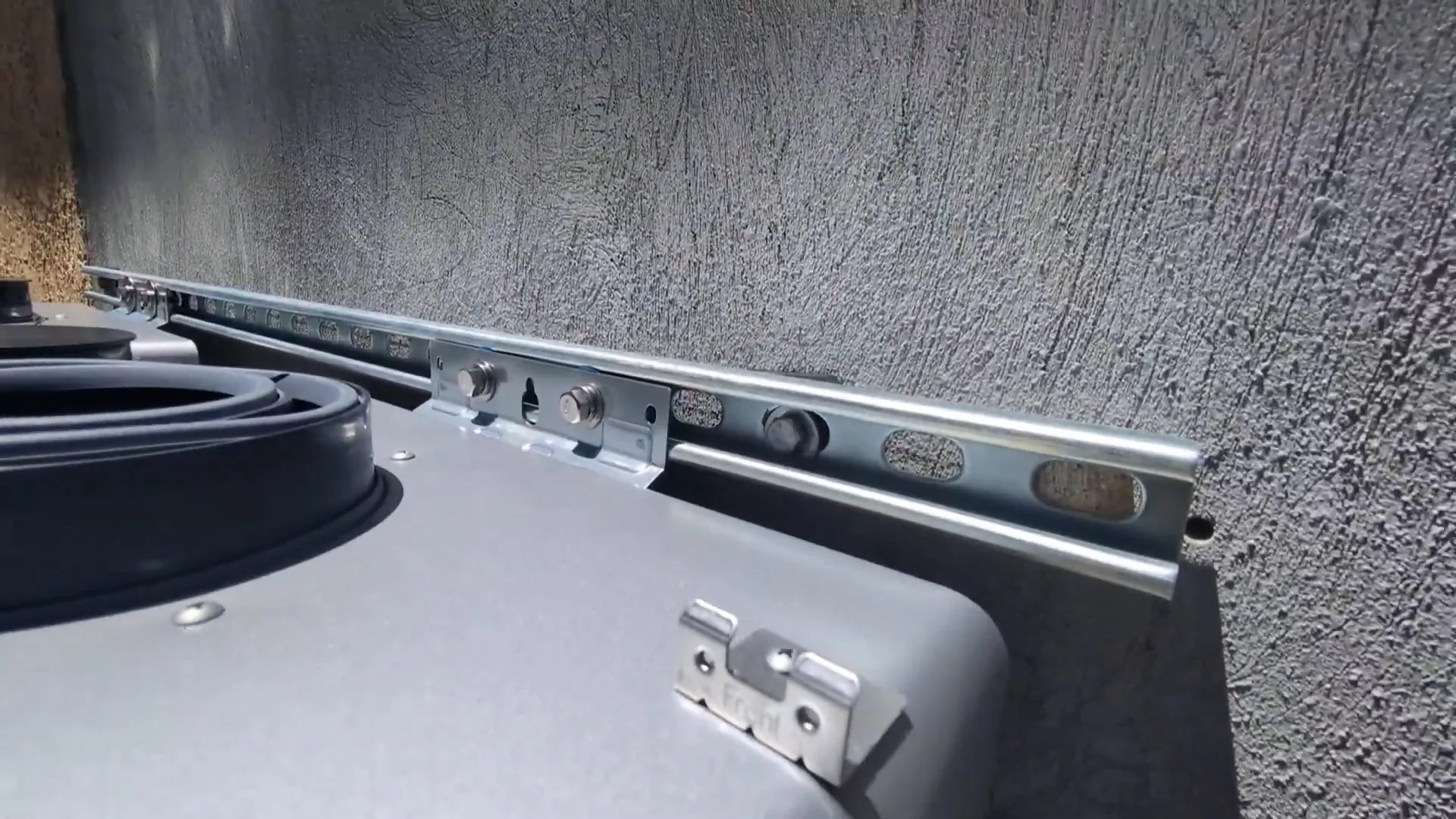
- Mounting. Ask how a wall unit is secured against earthquake movement.
Gas piping from the meter to the structure falls under the C-36 classification. Ask for the license number, and if you ever smell gas near the unit, leave and call SDG&E at 1-800-411-7343 or 911.
Thinking about going tankless? Call and tell us about your gas line and hot water use.
Call (833) 571-0120Small point-of-use units under the sink
A point-of-use unit is a compact heater that serves one sink or a small room. It suits a remote lavatory that waits a long time for hot water, or a kitchen sink far from the main heater.
Flow is limited, so these units rarely suit a shower. Most run on electricity, which means an outlet or a dedicated circuit, and the quote should say who handles that. Ask whether a recirculation line, or simply moving the main heater closer, would solve the same problem.
If the fixture itself is also tired, the faucet work is covered under faucet replacement. Fixing both at once can save a visit.
What a tankless service visit covers
Servicing a tankless unit usually means more than a quick look. Ask the plumber to walk through what is covered, so you know what you are paying for.
- Read the history. Error codes and the age of the unit narrow down the likely faults.
- Check flow and temperature. Low flow often points to scale or a clogged inlet screen.
- Inspect venting and gas. Look at the vent run and the gas connection for damage or leaks.
- Descale if needed. Flush the exchanger when there is evidence of buildup.
- Report in writing. Ask for a note of what was found and what was done.
If the unit is old and needs a major part, compare the repair against replacement. The tank side of that decision sits under tank replacement, and our repair guidance covers water heater diagnosis.
Tankless questions homeowners ask first
These questions come up most often when a household considers tankless, or when a unit starts to underperform.
Does hard water hurt a tankless water heater?
It can. Minerals in the water leave scale on the heat exchanger and inside narrow passages, which can cut flow and trigger error codes. Helix water in La Mesa is hard, so ask the plumber to check for scale at each visit.
How often does a tankless heater need descaling?
There is no single schedule. The unit's manual gives guidance, and your water hardness and usage affect it. Ask the plumber to measure what is happening, for example by checking flow and any error codes, instead of selling a visit on a calendar alone.
Will a tankless heater fit my existing gas line?
Maybe not. Many tankless models draw more gas at once than a tank heater. Ask the plumber to check the line size, the meter and the run length, and to tell you plainly if the line needs to be upgraded.
Is a point-of-use heater under the sink a good idea?
It can fix a long wait for hot water at a distant sink or serve a small bathroom, but it has limited flow. Ask about the circuit it needs and whether a recirculation fix would be simpler.
Do you service tankless units installed by someone else?
Yes. Tell us the brand, the model and any error codes you see, and we will plan the visit around them.
Tankless install or service? Call La Mesa CA Expert Plumbers
Share your current heater, your gas line and any error codes. We will help you decide what makes sense.