
Drain cleaning · La Mesa, CA
Drain Cleaning in La Mesa, CA: Why the Clog Keeps Coming Back
You cleared it once and it came back. Or the kitchen sink drains slowly while the tub gurgles. The right fix depends on where the blockage sits, and one fixture is a very different job from a whole house. Here is how to tell which you have, what is safe to try and what to ask before a plumber puts a cable down the line.
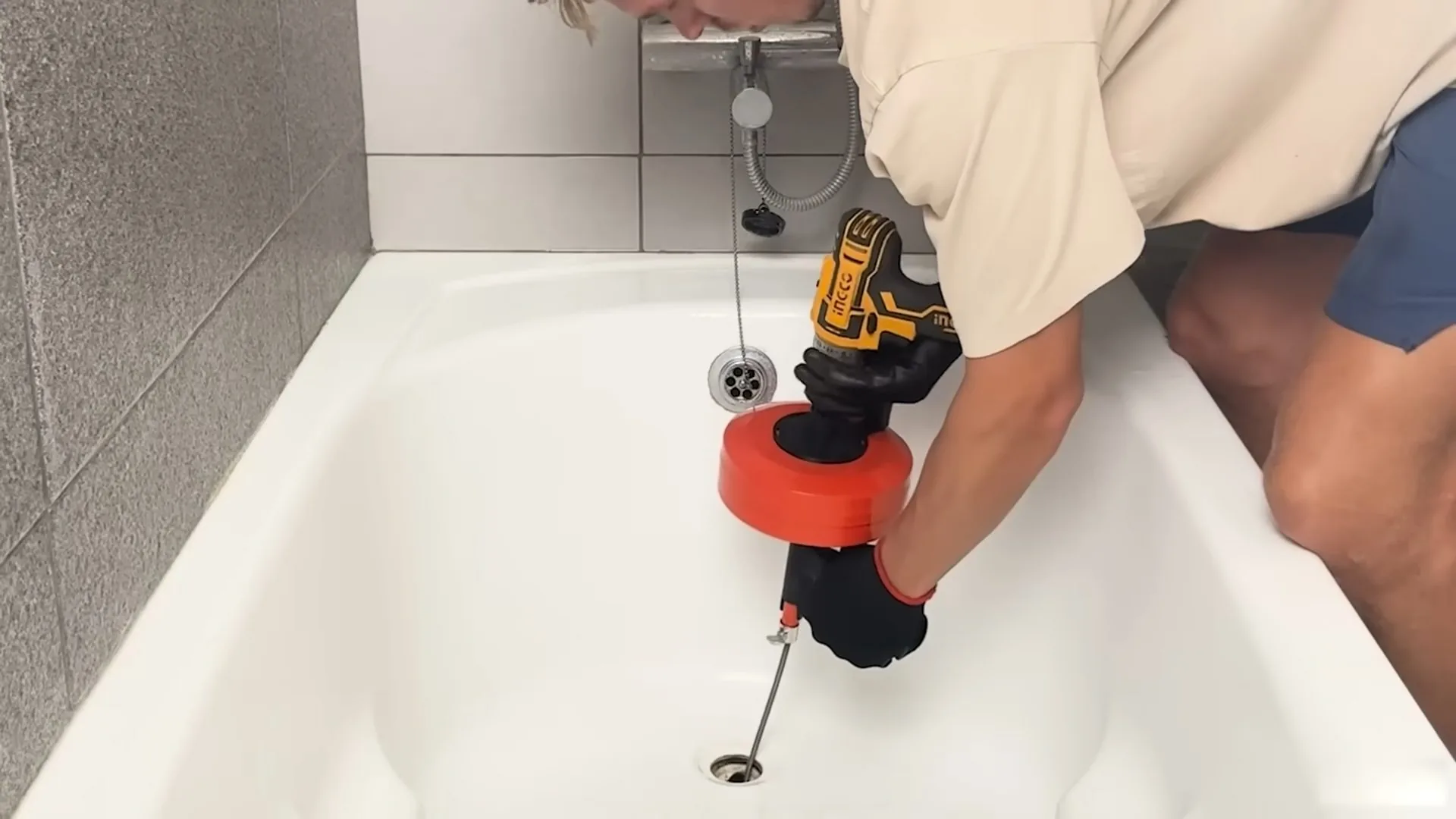
One drain or several? Start by mapping what is slow
Before you buy a cable or a bottle of anything, find out how far the problem reaches. A single slow fixture points to its own branch. Several fixtures that slow together point to a shared line, and that is a bigger job. Run the water in each fixture for a minute and note which ones react to each other.
| What you notice | Where it likely sits | What to do next |
|---|---|---|
| Only the kitchen sink is slow | A blockage in the kitchen branch, often grease | Try a plunger, then clean the trap. If it returns within weeks, ask for a camera look. |
| The tub and shower slow down together | A blockage in the bathroom branch, often hair and soap film | Clear the stopper first, then call if both stay slow. |
| Gurgling sounds when another fixture drains | Air being pushed past a partial blockage | Note which fixtures talk to each other and tell us when you call. |
| The lowest drain in the house backs up when upstairs runs water | A blockage in the main line | Stop using water and read about sewer line repair. |
| Sewage smell or water at an outdoor cleanout | A blockage between the house and the street | Stop using water and call. Do not open a cleanout cap yourself while it is full. |
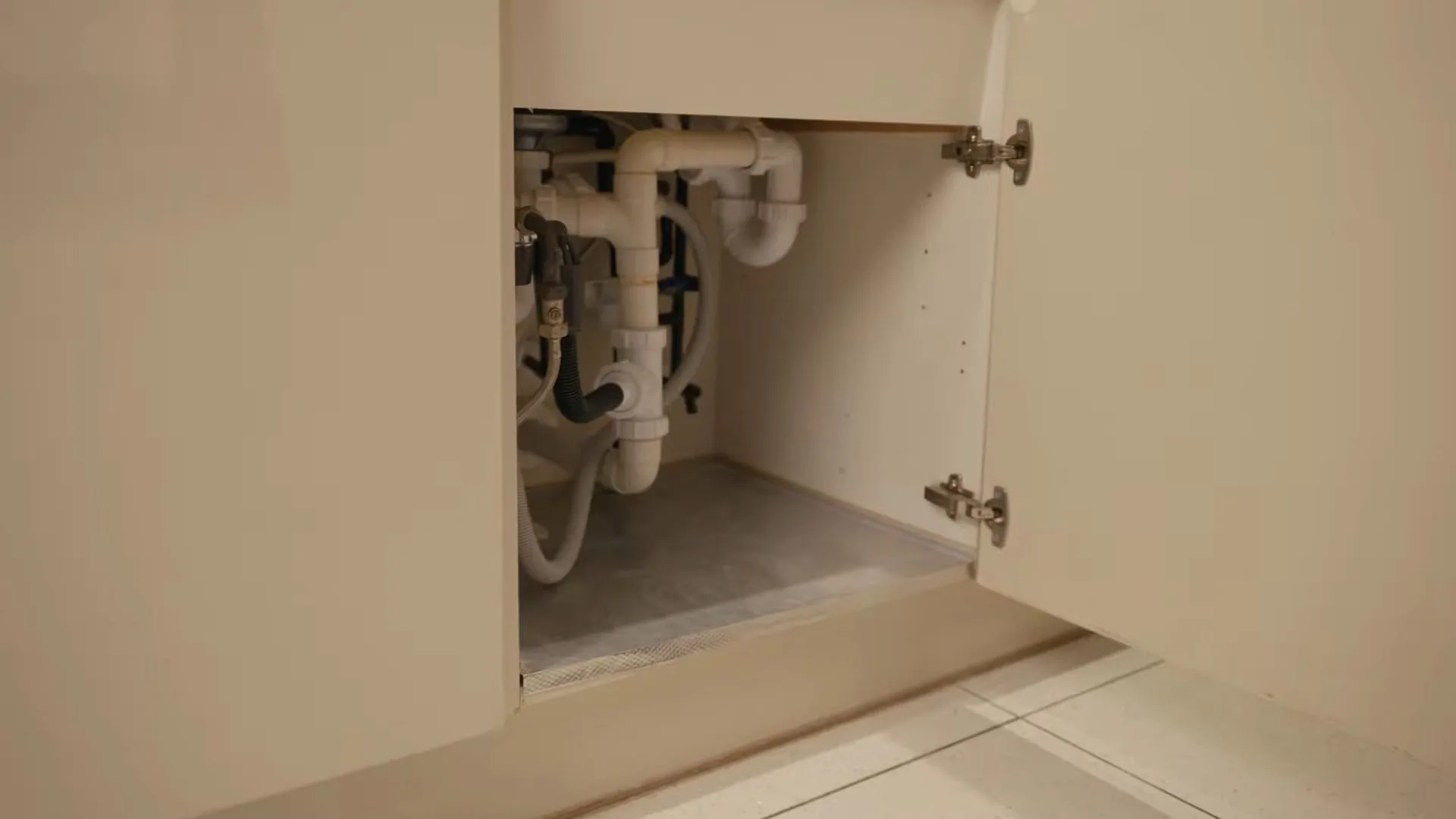
Safe DIY drain steps before a call, and what to leave alone
A few steps are reasonable before a call and cost nothing but patience. Start with a plunger that fits the drain, using steady strokes with the overflow covered. For a kitchen or bathroom sink, you can place a bucket under the trap, unscrew it and clean out what has collected.
Leave chemical drain openers on the shelf. They can sit in standing water, they can harm some pipe materials and they put whoever opens the trap next at risk of a chemical burn. If you already used one, tell the plumber before work starts so they can protect themselves.
Stop when water rises in a second fixture or when you smell sewage. That means the blockage is past the branch, and more plunging only moves water around. Toilets are a separate job; a single clogged toilet is handled under toilet repair, not here.
Why the clog returns: grease, hair, soap film and hard water
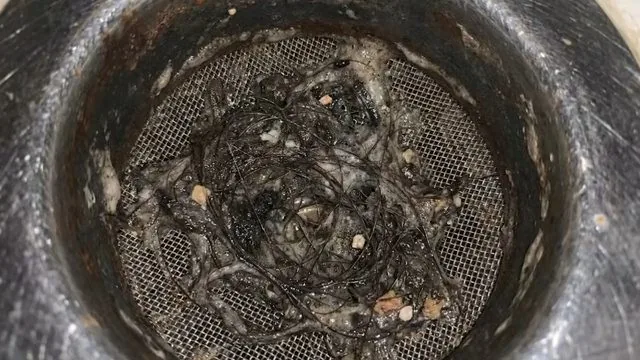
A clog that comes back is rarely bad luck. The usual cause is a coating on the pipe wall that narrows the opening until something small finishes the job. In kitchens, that coating is grease that cooled and stuck. In bathrooms it is hair held together by soap.
La Mesa adds a local factor. Helix Water District's 2025 report puts its treated water at about 9 to 15 grains per gallon, averaging 12, which is hard. Hard water reacts with soap and leaves a stubborn film. That film does not wash away, so it builds up layer by layer and catches hair and debris.
When you ask a plumber for a camera look, ask what the buildup is made of. Grease, soap film and hair each point to a different habit to change, and some call for a different tool.
Maintenance should follow evidence instead of a calendar. A line that is clean on camera needs nothing. A line with a heavy coating may need cleaning again after a set interval, and your plumber should tell you why they chose it.
Snake, camera or jetting: matching the tool to the blockage
Three approaches cover most drain calls. They answer different questions, and a good plumber explains which one fits your drain, what it can reach and what it cannot do for you.
| Tool | Best for | Limits |
|---|---|---|
| Motorized cable | Opening a clog in a branch line, such as a sink or tub | It cuts a hole through the blockage but may leave the coating on the pipe wall |
| Camera inspection | Seeing what is blocking the line and whether the pipe is damaged | It shows the problem; it does not clear it |
| High-pressure jetting | Scouring grease, soap film and buildup from the pipe wall | It is not suited to damaged pipe. See high-pressure drain jetting for the decision. |
Ask for the recording after a camera visit, along with the distance from the access point to any defect. A short video of a cracked or offset section is far more useful than a verbal description when you compare quotes.
Yard drains, downspouts and French drains before the rainy months
La Mesa gets about 13 inches of rain a year, and most of it falls from November to March. A yard drain that has silted up shows itself during the first heavy storm, usually at the worst moment. Clear and test the ones on your property in October, before the rain arrives.
- Pour a bucket of water into each yard drain and downspout drain, and watch how quickly it clears.
- Remove leaves, soil and debris from grates by hand.
- Ask a plumber to clear any drain that backs up, and to check where it discharges.
San Diego County's hazard plan notes strain on undersized storm infrastructure in the city. Storm drains in the street are public, so report street flooding to the City of La Mesa instead of calling a plumber. Your own yard drains are your responsibility, and more plumbing questions are answered on the FAQs page.
When a drain call turns into a sewer call
Some blockages are not in your drains at all. If several fixtures back up together, if the lowest drain in the house overflows when upstairs runs water, or if you smell sewage near an outdoor cleanout, the problem is probably in the main line between the house and the street.
The City of La Mesa charges for sewer collection and treatment, but a backup in your house can start in your private line or out in the city main. Ask for a camera view before you agree to any digging, and ask the plumber to explain where the private line ends. A sewer line inspection gives you that answer.
Not sure whether yours is a drain or a sewer problem? Describe which fixtures are slow and we will help you sort it out.
Call (833) 571-0120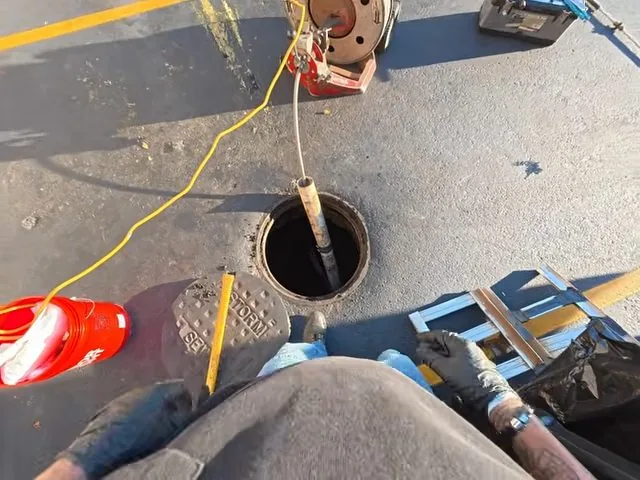
Commercial kitchens and grease lines
A commercial kitchen sends far more grease down its drains than a home does, and the lines clog on a faster clock. A line that backs up every few weeks is not unlucky. It is telling you the buildup is outpacing the cleaning.
- Find out where it clogs. A camera view shows whether the problem is a coating along the whole run or a single low spot where grease collects.
- Separate the interceptor from the line. A grease trap or interceptor has its own upkeep. Cleaning the line does not replace it.
- Match the schedule to the evidence. If the camera shows heavy coating, ask about scheduled jetting and how often the plumber expects to repeat it.
- Keep service records. Save dates and notes from each visit in case your landlord or an inspector asks.
When you call about a commercial kitchen, tell us how many fixtures drain to the line and how often it has backed up.
Chemical openers, toilets and kitchen lines: your drain questions
These are the questions that come up most often about clogs, from chemical openers to how often a line should be cleaned.
How often should drains be cleaned?
There is no fixed interval that fits every home. A kitchen line that has clogged twice in a year, or an older line with roots or heavy buildup, benefits from scheduled cleaning. A clean camera view is a good reason to leave the line alone.
Can I use a chemical drain opener first?
It is best to avoid them. They can sit in standing water, they can harm some pipes and they are a hazard to whoever opens the trap next. If you already used one, tell the plumber before the work starts.
The toilet is clogged too. Is that this page?
A single clogged toilet is usually its own job, handled under toilet repair. If the toilet and the tub or sink are all slow together, treat it as a drain or main line problem and tell us when you call.
Do you clean commercial kitchen grease lines?
Yes. Tell us how many fixtures drain to the line and how often it backs up. A camera view usually shows whether the problem is a coating along the run or one low spot, and that decides whether scheduled jetting makes sense.
Call La Mesa CA Expert Plumbers when the clog will not stay cleared
Tell us which fixtures are slow or backing up. We will help you work out whether it is a drain or a main line problem.